Selling a House As-Is vs Fixing It Up in Iowa: The Honest Decision
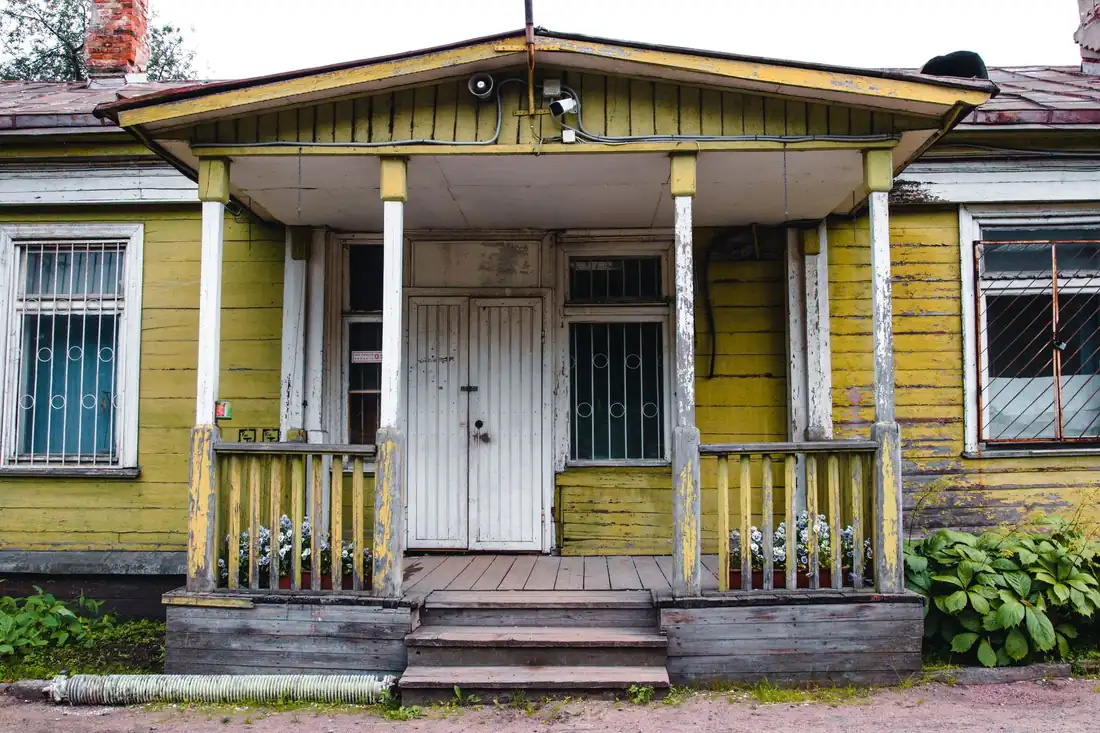
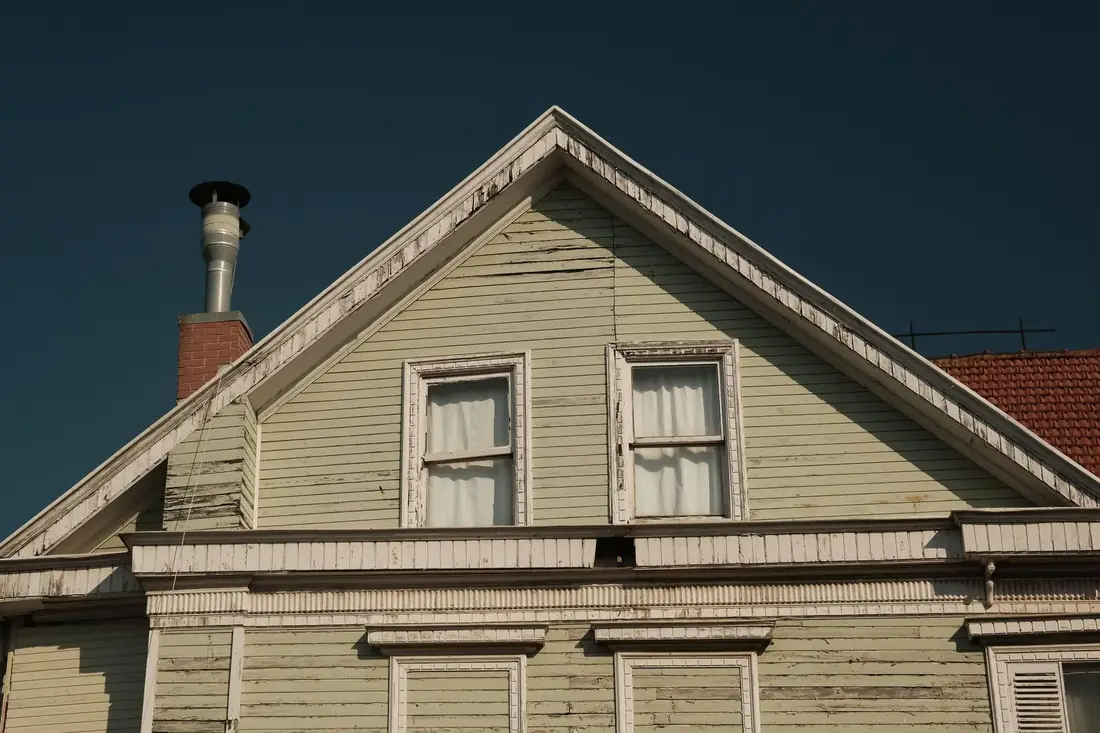
Every seller of a rough house does the same math at the kitchen table: fix it up and hope, or sell it as it sits. You already know the place needs work. The furnace groans on startup, the roof has a couple of soft spots, and one bedroom still smells like the last tenant's dog. One column of the napkin is a renovation budget that grows a little every time a contractor walks through. The other column is a smaller number, but a clean one: cash, no receipts, no Saturdays lost to a paint tray. That is the whole of selling a house as-is vs fixing it up. Spend money and months chasing a higher price, or take less and be done. Neither answer is wrong. They just fit different houses and different people.
Here is the honest version. Fixing up a rough house means real money out of your own pocket, weeks or months of work, and a gamble that contractors, permits, and hidden damage all stay inside your budget, which they rarely do. Selling as-is means a lower price in exchange for zero cost, zero time, and zero risk, and it keeps cash buyers in the game on a house that would scare off financed buyers anyway. The right call depends on how rough the house is, how fast you need out, and how much cash and stomach you have for a project.
Sellers routinely overrate what a renovation adds and underrate what it drains, so the fix-up column looks a lot better on the napkin than it ever does at closing. Every dollar and Saturday you put in is real and certain; the higher price at the end is a hope with a lot of moving parts. Once you separate the certain costs from the hoped-for payoff, the decision stops feeling like a coin flip.
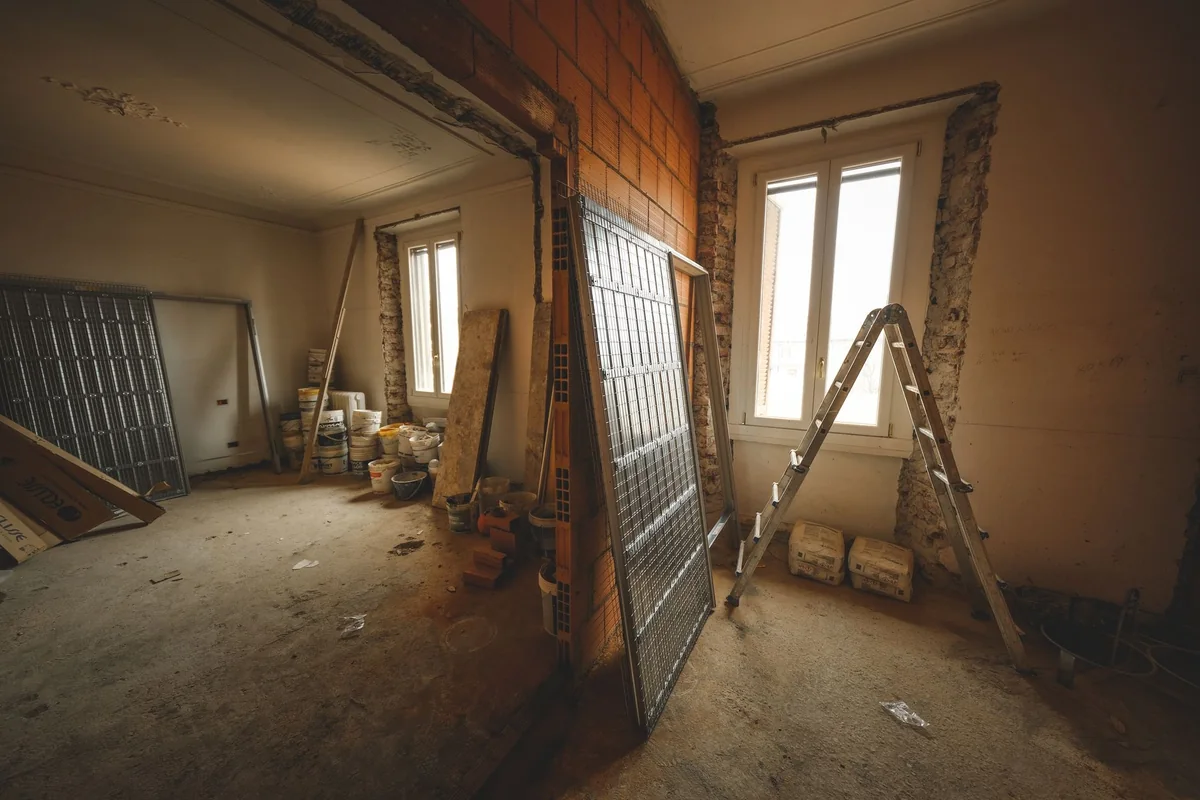
What fixing it up really costs you
Fixing up a house before you sell has three price tags, and only one of them shows up on a receipt.
Money out of your own pocket, now. Contractors want deposits before a listing photo ever gets taken. You are funding materials, labor, and permits up front, out of savings or a loan, months before a single dollar of sale proceeds comes back to you. On a rough house, the list is never short: it is the roof and the furnace and the wiring and the water damage nobody noticed until the drywall came down.
Weeks or months of your time. A real renovation is not a weekend. It is scheduling trades who cancel, waiting on parts, chasing inspections, and living in a construction zone or paying to live somewhere else while you do. Every week the house is torn up is a week you are not sold, not moved on, and still carrying the taxes, insurance, and utilities.
Contractor and surprise risk. This is the one that eats sellers alive. Budgets are guesses until walls open. The quote for the bathroom becomes two quotes once the plumber finds rot. A furnace swap turns into a ductwork job. I have bought and fixed more than 100 houses across Iowa over the last six years, so I can tell you the overrun is not the exception, it is the pattern. If you want the short list of repairs that are genuinely worth doing versus the ones that just burn cash, I put it in what not to fix before selling a house in Iowa.
Fixing up is the only plan where you pay the whole bill in advance and the market decides later how much of it to give back. On a rough house, it usually gives back less than you hoped.
None of this means fixing up is always wrong. If the house is basically sound and only needs cosmetics, the math can absolutely work, and getting a house ready to sell in Iowa walks through the cheap, high-return version of that. But if the repair list runs into structure and systems, you are not sprucing up a house, you are bankrolling a rehab.

What selling as-is trades away, and what it keeps
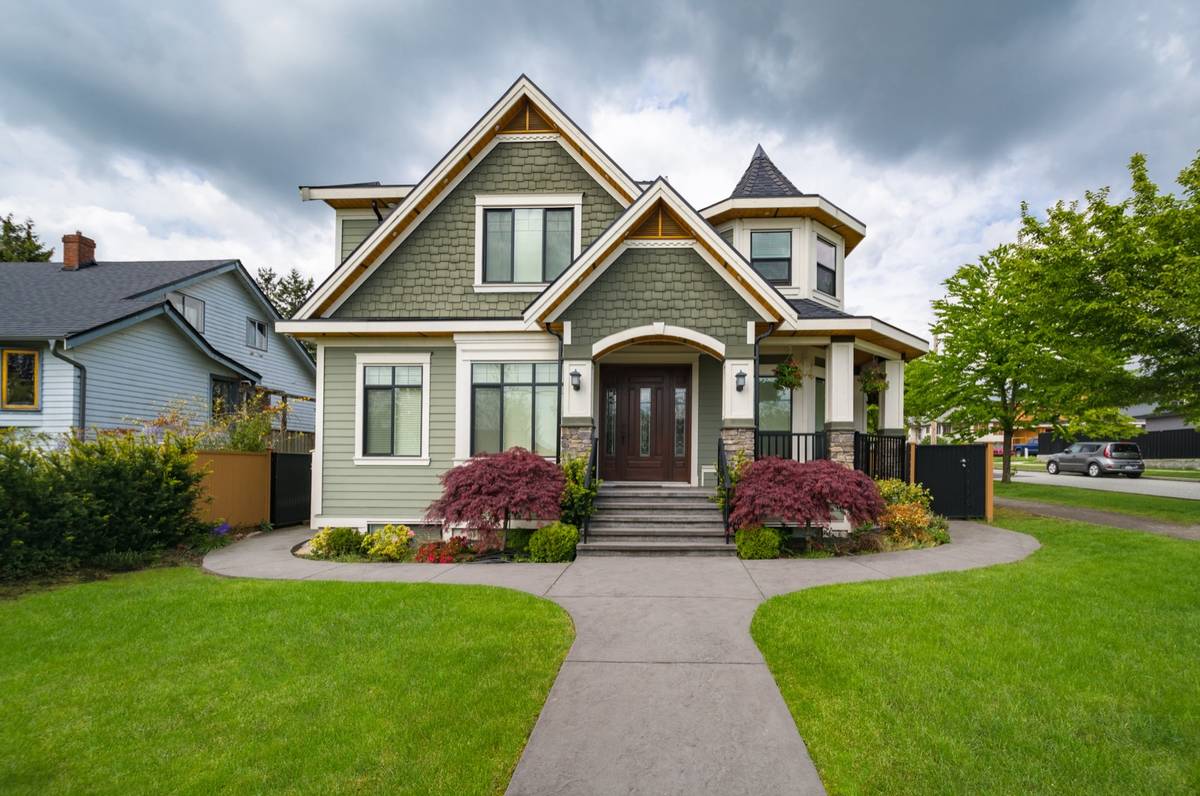
Selling as-is means exactly what it says: you sell the house in its current condition, and the buyer takes it repairs and all. You give up the top-dollar price. In exchange, you keep three things that fixing up spends.
- Your cash. Zero out of pocket. You do not fund a roof or a furnace to sell a house you are trying to get rid of. The condition is priced into the offer, and that is the end of it.
- Your time. No months of renovation before you can even list. A cash sale can close in as little as seven days, since there is no lender and no appraisal in the way. The one Iowa wrinkle is the abstract: this is an abstract state, so instead of title insurance we use a physical abstract of title that an attorney updates and examines before closing, which adds a few days.
- Your risk. No contractor overruns, no surprise rot, no deal falling apart the week before closing. What you agree to is what you close on.
There is a fourth thing as-is protects that sellers miss, and it might be the biggest one. A rough house does not just sell for less on the open market, it can fail to sell at all to a normal buyer. When the roof is shot or the foundation is moving or the systems are dead, a lender's appraisal or inspection can kill the loan, and a financed buyer whose mortgage will not clear on the property has to walk, however much they loved it. That is the financing gap on rough houses: the buyers who need a mortgage, which is most of them, get filtered right out, and you are fishing in a much smaller pond. According to the Consumer Financial Protection Bureau, a lender uses the appraisal to make sure the home is worth the loan, and a rough house is exactly where that check goes sideways.
Selling as-is to a cash buyer steps around that whole problem. No lender, no appraisal, no inspection contingency waiting to blow up. If you want the full walkthrough of that route, I laid it out in how to sell a house as-is in Iowa. The trade is real and simple: a lower headline number, for a sale that actually happens, on your timeline, with nothing coming out of your pocket.
A financed buyer can love your house and still be unable to buy it. A cash buyer prices the problems in and closes anyway. On a rough house, the buyer who is hunting for problems is the buyer who can actually close.
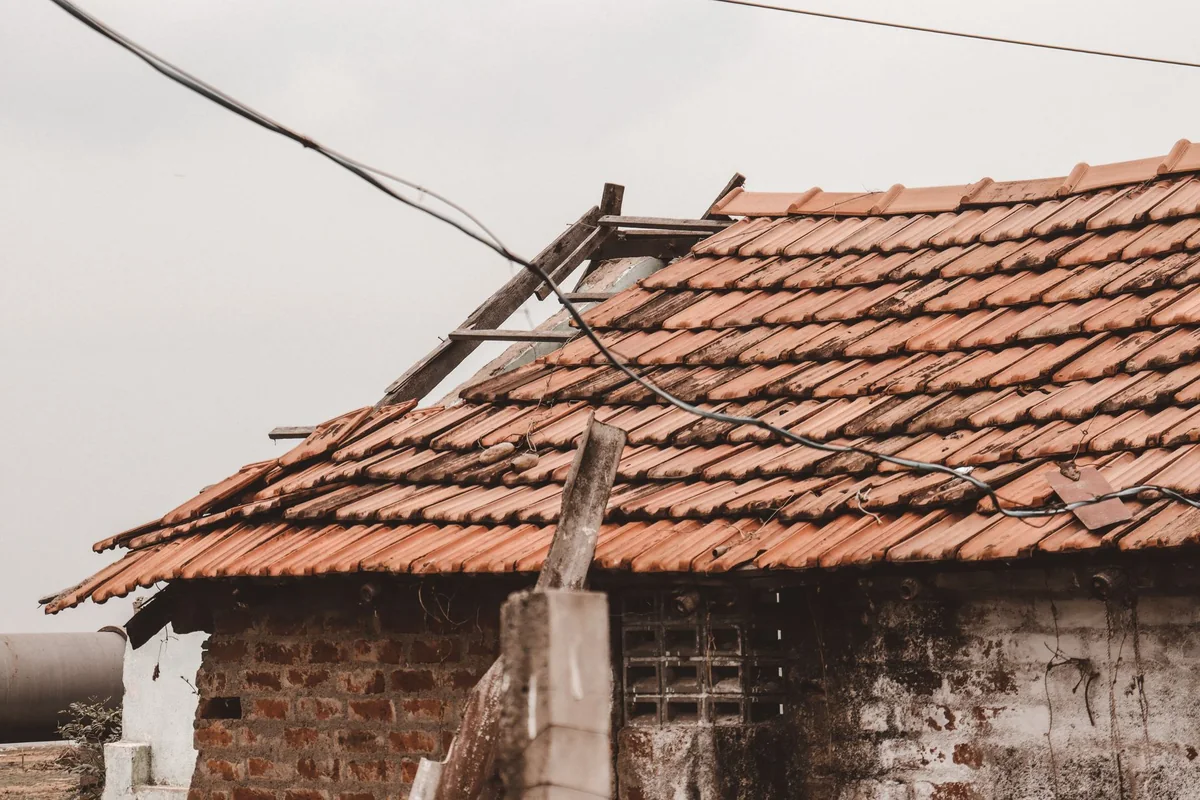
Why the big repairs rarely pay you back
The whole case for fixing up rests on one belief: that the repairs add more to the price than they cost. For cosmetics, that can be true. For the big-ticket stuff, it usually is not, and that is the trap.
Think about how a buyer sees a new roof, a fresh foundation repair, or a new furnace and HVAC system. They do not walk in and think, "wonderful, I will pay a premium for this." They think, "good, the house works, as it should." Those repairs are treated as the baseline price of a functional home, not a feature you get rewarded for. So you pay the full cost up front, and the market hands you back only part of it. National remodeling data has said the same thing for years, that most major projects recoup only a fraction of their cost at resale; you can see the pattern in Zillow's rundown of which renovations return the most value, and even the winners rarely hit dollar-for-dollar.
Now stack the risk on top. When you commit to a big repair, you are exposed to everything that can go wrong: the crew that opens the wall and finds a bigger problem, the permit that drags the timeline, the second contractor you hire when the first one disappears. You are carrying the house the entire time, and the payoff at the end is still just a hope.
Let me make it concrete with a real one. My first flip, when I was about twenty, was the worst house on the block, right next to Ames High School. Before any of the "fun" renovation work started, I was out in the yard picking up hundreds of needles by hand. That is what fixing the worst house on a street actually takes: not a coat of paint, but a full teardown-and-rebuild of everything the last decade did to it. I finished it, a nice couple bought it, and their kids go to Ames High now. It is a rental today. I would do it again in a heartbeat, but I went into it as an investor with the cash, the crews, and the appetite for that risk. Most sellers who are just trying to move on do not have all three, and they should not pretend they do.
This is the honest split. If the house needs cosmetics, fixing up can pay. If it needs a new roof, foundation work, or major systems, you are far more likely to spend a dollar to gain fifty cents, and to lose sleep doing it.

Which is right for you: a plain checklist
Forget the spreadsheet for a minute. The decision usually comes down to four honest questions, and you already know the answers.
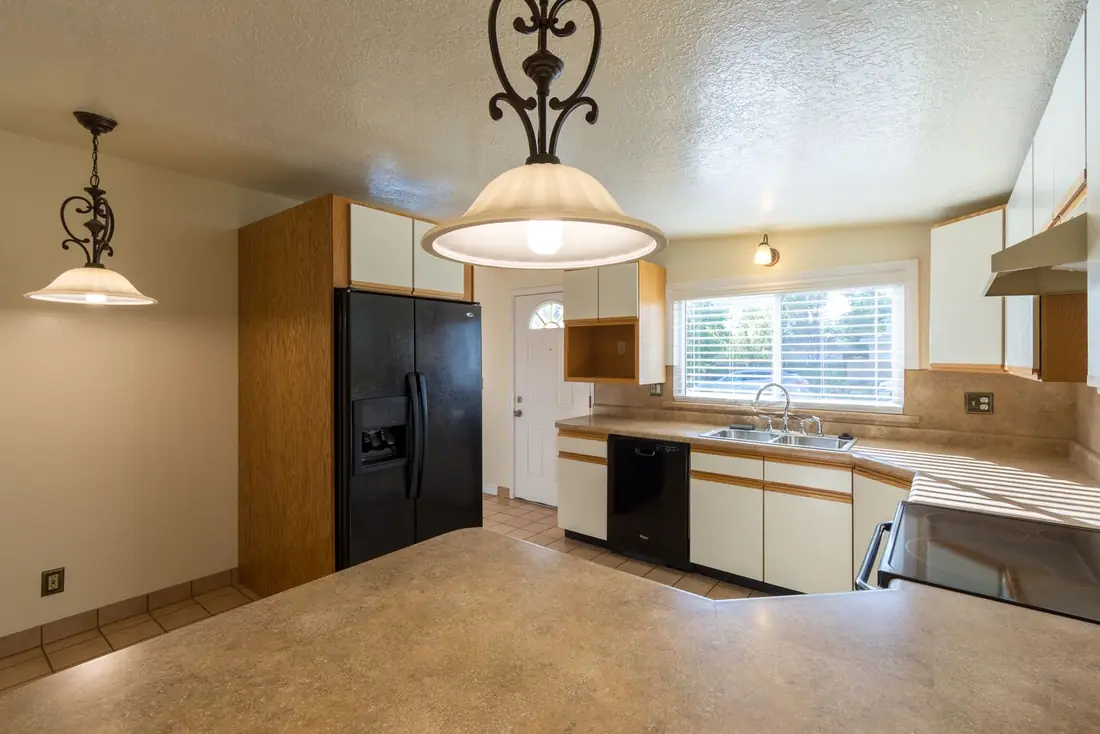
- How rough is it, really? If the problems are cosmetic, paint, carpet, cleanup, landscaping, fixing up can pay off, so lean toward listing. If the list runs into the roof, foundation, plumbing, wiring, or heating and cooling, lean toward as-is. Structure and systems are where fixing up stops making money.
- How fast do you need out? A foreclosure sale date, a job that starts in another state, an estate that needs to close, a divorce that needs the asset split. If the clock is loud, as-is wins, because a renovation adds months you do not have before you can even list.
- How much cash do you actually have? Not "could you find it," but is it sitting there, ready, that you can spend without borrowing or stress. If funding the repairs means a loan, a credit card, or draining the account you were counting on, that is your answer: sell as-is and skip the front-loaded bill.
- How much stomach do you have for a project? Some people genuinely enjoy managing a rehab. Most sellers of a rough house are exhausted before they start and just want it handled. Be honest about which one you are. There is no wrong answer, but the wrong self-assessment is expensive.
Add it up. Cosmetic house, no rush, cash on hand, and the appetite for a project? Fixing up, or at least a light polish, can be worth it. Rough house, a clock ticking, tight cash, or zero desire to run a jobsite? As-is is almost certainly your move, and it is nothing to feel bad about.
Here is the part most buyers will not say out loud. I will tell you if a cash sale is not your best move. If your house is close to market-ready and you have the time and money, listing might net you more, and I will say so from the get-go. No harm, no foul, I am just here to be one more option. Six years and 100-plus houses in, I have learned that an honest "we are not a fit" keeps more people coming back than a pushy yes ever did. If you want to see the number that anchors the whole comparison, tell me about the house and I will send a no-obligation cash offer, then you can weigh it against the fix-and-list math with real figures instead of guesses.
The bottom line
Selling a house as-is vs fixing it up is not a question of which is smarter in the abstract. It is a question of which fits your house and your situation. Fixing up costs money you spend now, months of your time, and the risk that the budget runs away from you, and on the big-ticket repairs you rarely earn it back. Selling as-is trades the top price for a clean exit: nothing out of pocket, no timeline, no risk, and no financed buyer walking away because the appraisal came in low on a rough house. For a house that needs real work and a seller who needs out, that is not a close call.
If you are staring at that napkin and the fix-up column keeps growing, get the other number before you commit to anything. Tell me about your house and I will send a fair, no-obligation cash offer, or take a look at how my process works and where I buy across Iowa. And if fixing up is genuinely your better move, I will be the first to tell you.
As-is vs fixing up: FAQ
Is it better to sell a house as-is or fix it up?
It depends on three things: how rough the house is, how fast you need out, and how much cash and patience you have for a project. Fixing up can make sense when the house is close to market-ready, you have the money to fund the work without borrowing, and you can wait months for the payoff. Selling as-is makes sense when the house needs big work, you need out fast, or you simply do not want to bankroll and manage a renovation. As-is nets a lower price, but you spend nothing, wait for nobody, and carry no risk that the budget blows up. Neither answer is wrong; they just fit different houses and different people.
Do repairs increase the sale price enough to be worth it?
Usually less than sellers expect, especially on the big-ticket items. Cosmetic touch-ups like paint and cleanup can pay off, but major repairs such as a new roof, foundation work, or a furnace and HVAC replacement rarely return dollar-for-dollar at sale. You spend the full cost up front, and the market gives you back only part of it, because buyers see those repairs as the price of a house that works, not a bonus. Add contractor overruns and hidden damage you find once walls are open, and the math gets worse. Fixing up is a bet that the higher price outruns everything you poured in, and on a rough house that bet often loses.
Will a rough house scare off regular buyers?
Often, yes. A house with a bad roof, foundation issues, or dead systems can fail a lender's appraisal or inspection, and a financed buyer whose loan will not clear on the property has to walk, no matter how much they liked it. That is the financing gap on rough houses: the buyers who need a mortgage get filtered out, and you are left with a smaller pool. Selling as-is to a cash buyer sidesteps that entirely, because there is no lender, no appraisal, and no inspection contingency that can blow up the deal at the last minute.
How fast can I sell a house as-is in Iowa?
A cash sale can close in as little as seven days, because there is no lender and no appraisal in the way. The main thing that sets the pace here is that Iowa is an abstract state: instead of title insurance, we use a physical abstract of title that gets updated and examined by an attorney before closing, which adds a few days. Compare that to fixing up first, where you are looking at weeks or months of work before the house even hits the market, and then the usual thirty to sixty days to contract and another thirty to forty-five to close on a financed sale.
What repairs are worth doing before I sell?
If you are leaning toward listing rather than selling as-is, focus on cheap, high-visibility fixes: a deep clean, fresh neutral paint, decluttering, and small safety items. Skip the expensive structural and system overhauls that you will not recover at sale. I wrote a full breakdown of what not to fix before selling a house in Iowa, because sellers routinely sink money into repairs a buyer never pays them back for. The honest rule: if a repair is big enough that you would need a loan or a second mortgage to do it, selling as-is is usually the smarter move.