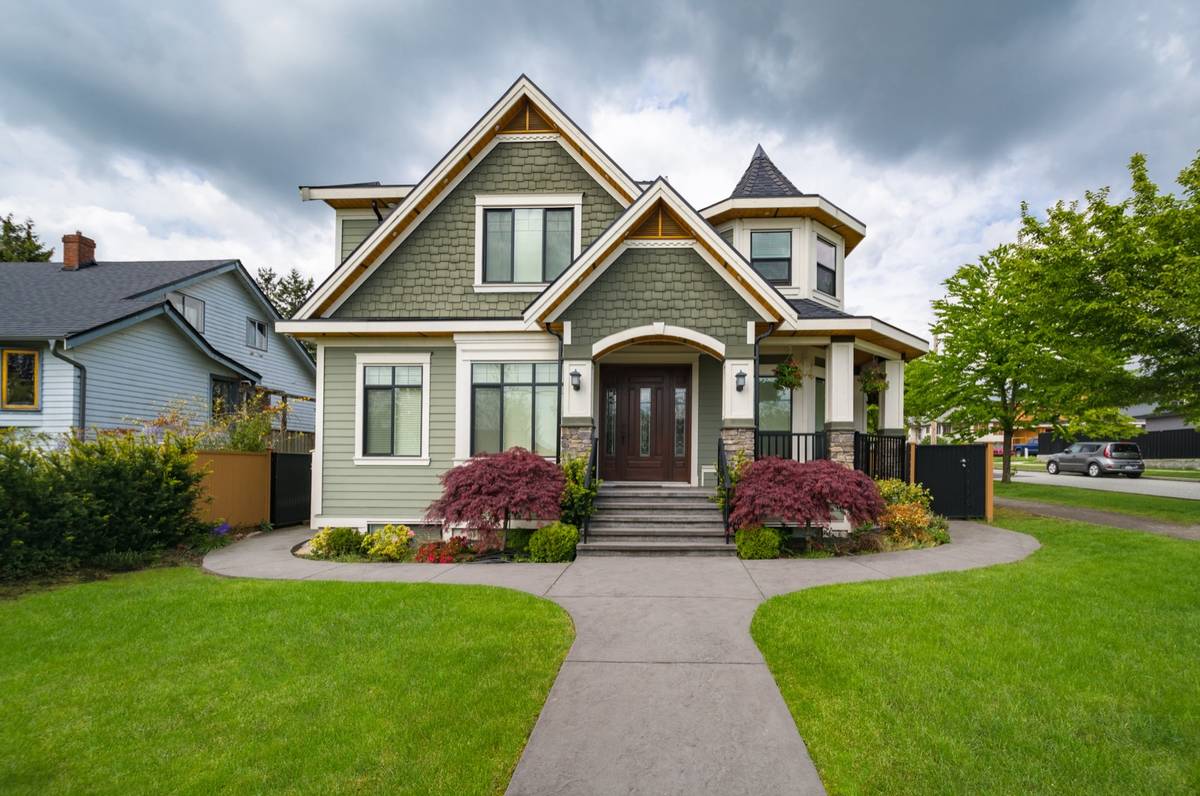
Selling a House During Chapter 7 Bankruptcy in Iowa

Filing Chapter 7 does not hand your house to the court, but it does hand the keys to a trustee for a while. Picture a stranger you have never met holding a clipboard with your address on it, quietly deciding what happens to the four walls you sleep inside. That is the bankruptcy trustee. The day you file, your house stops being simply yours and becomes part of what the law calls the bankruptcy estate. So if you are weighing selling a house during Chapter 7 bankruptcy, the real question is not whether you still own it. It is who gets to say yes to a sale, and when.
Here is the honest version. While your Chapter 7 case is open, you generally cannot just list the house and sell it on your own. The trustee controls non-exempt property, and a sale usually needs the trustee's sign-off, and often the court's approval too. The good news for most Iowa homeowners is the state's homestead exemption, which protects your primary residence within certain acreage limits. Once you have your discharge, or the trustee formally abandons the house, your hands are untied and you can sell like anyone else.
Everything hinges on one fact most sellers miss: while the case is open, the trustee, not you, holds the pen over a sale, and Iowa's homestead exemption is usually what keeps the house on your side of the ledger. Get those two ideas straight and the rest of your options fall into place.

What Chapter 7 actually does to your house
Chapter 7 is the liquidation kind of bankruptcy. The idea is simple even if the paperwork is not: you hand over the non-exempt things you own, a trustee sells them to pay what they can to your creditors, and the rest of your qualifying debt gets wiped out. The catch that surprises people is what counts as "things you own." The moment you file, almost everything you have, your house included, drops into a legal bucket called the bankruptcy estate.
The trustee is the person put in charge of that bucket. Their job is not to make your life harder, whatever it feels like. Their job is to look at your assets, figure out what is protected by exemptions and what is not, and turn anything non-exempt into money for creditors. For a lot of filers, the answer is nothing, because exemptions cover everything they own. Those are called no-asset cases, and they are common. But until the trustee reaches that conclusion, the house is theirs to control, not yours to sell.
(This is the part that trips up most people I talk to. They assume "it is my name on the deed, so it is my house to sell." True on the deed, not true on timing. For the length of the case, the trustee stands between you and any sale, and pretending otherwise is how honest people accidentally create a real legal mess.)
If you want the plain-English federal overview of how this all works, the U.S. Courts publish a solid primer on Chapter 7 bankruptcy basics. And one flat rule before we go further: I am not a lawyer, and none of this is legal advice. Bankruptcy is a spot where a good attorney is not optional.
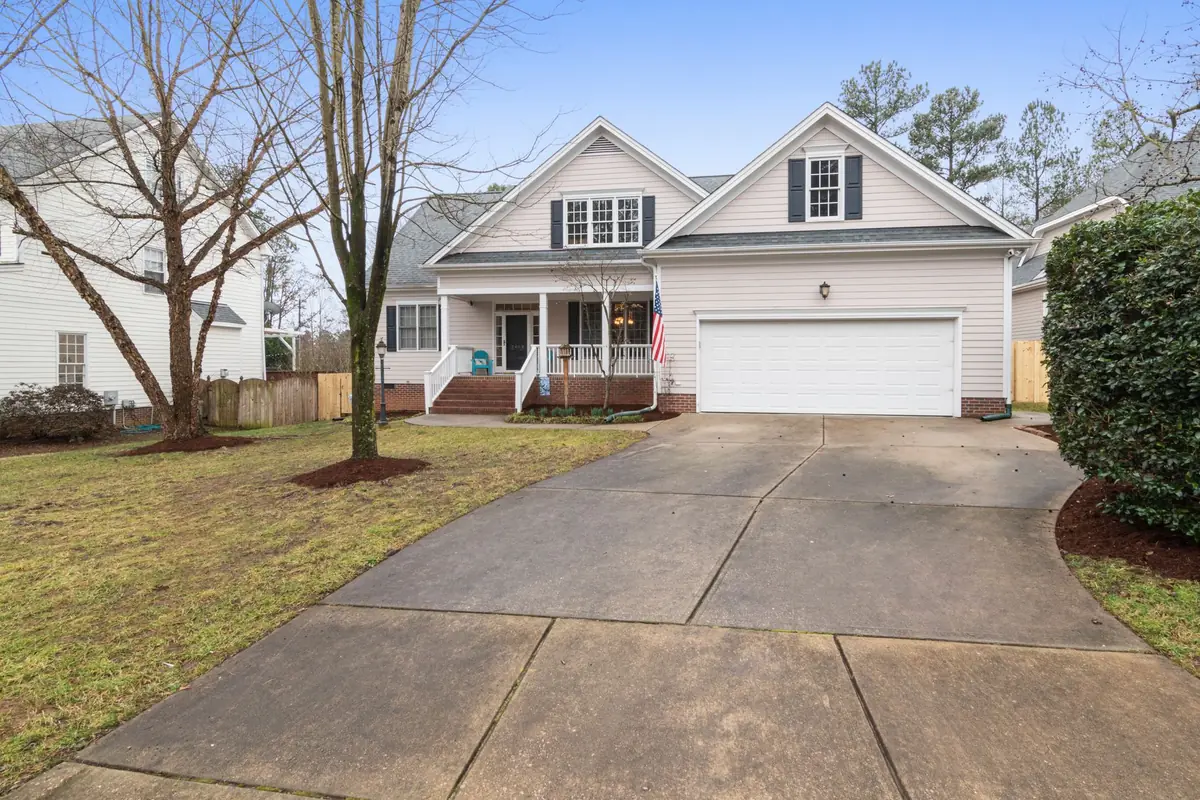
Iowa's homestead exemption, and why your home is usually safe
Here is the reason so many Iowa filers keep their houses: the homestead exemption. Iowa protects your primary residence in bankruptcy, and it does it generously. Rather than capping the protection at a dollar amount the way some states do, Iowa's homestead protection is tied to acreage. The limit is roughly half an acre if your home sits inside a city or town, and up to forty acres if it is out in a rural area. Within those limits, your homestead is shielded.
What that means in practice: if your home fits inside the homestead limits, the trustee usually has no reason to touch it, because there is no non-exempt equity to hand creditors. That is a huge deal, and it is exactly why plenty of people file Chapter 7 and walk out the other side still living in their house. The rules live in Iowa Code Chapter 561 if you want to see the actual language, though I would still let an attorney apply it to your address.
Two honest caveats, because I do not want to oversell it. First, the exemption protects your equity, not your loan. You still have to pay the mortgage, or the lender can still foreclose, bankruptcy or not. Second, the homestead protection is for your primary residence. A second home, a rental, or an inherited house you do not live in does not get the same shield, and those are the properties a trustee is most likely to sell.
Most sellers I meet in this spot are not really scared of the house being taken. They are scared of the unknown, of not knowing which rule applies to them. So get the specifics nailed down early. Knowing the exemption is on your side changes the whole conversation from panic to planning.

Why you usually cannot just sell during an open case
Say you decide, mid-case, that you would rather sell the house than keep it. Reasonable. But because the house is estate property while the case is open, you cannot just call a buyer, sign a purchase agreement, and cash out. The trustee controls that asset, so a sale during an open Chapter 7 generally needs the trustee's approval, and frequently a motion filed with and approved by the bankruptcy court.
That is not red tape for its own sake. The court and trustee are making sure creditors are treated fairly and that the sale is above board, especially if there is any non-exempt equity in play. If your home is fully exempt, the process can be simpler, but it still goes through the proper channels. The one thing you never do is try to quietly sell around the trustee. Hiding or transferring an asset during bankruptcy is fraud, and it can blow up your discharge and land you in far worse trouble than the debt did.
The instinct to just handle it yourself is exactly the instinct to fight here. In an open case, moving fast without the trustee is not being decisive. It is stepping on a rake.
The good news is that a straight Chapter 7 usually does not drag on. Many no-asset cases move from filing to discharge in a matter of months, not years. So sometimes the smartest play is patience: work with your attorney, let the case run its course, and sell once you are on the far side of it with full control back. If a foreclosure clock is also ticking, that timing gets more delicate, and I broke down how the two interact in whether bankruptcy can stop a foreclosure in Iowa.
When your freedom comes back: discharge or abandonment
There are two moments when the house becomes fully yours to sell again, and it helps to know both.
The first is your discharge. That is the order wiping out your qualifying debt, and once the case is discharged and closed, the estate no longer has a claim on your homestead. You are back to being a regular homeowner who can list, sell, or hold as you please. Because it removes the need for trustee and court approval, plenty of people intentionally wait for this point before they sell.
The second is abandonment. When the trustee decides the house has no value the estate can use, usually because it is fully exempt or carries no equity above the mortgage, the trustee can formally abandon it. Abandonment means the estate gives up its claim and control of the property returns to you, sometimes before the case even fully closes. It is a real, specific legal event, so do not assume it has happened. Let your attorney confirm the property has actually been abandoned before you sign anything with a buyer.
Either way, once you are on the other side of one of those two doors, your options open right back up. You can list with an agent, sell it yourself, or sell to a cash buyer. If part of what pushed you here was falling behind on payments, and the house needs to move quickly, it is worth reading how selling a house in foreclosure in Iowa actually plays out, because the timing of a discharge and a foreclosure sale do not always line up neatly.
How a cash buyer fits once you are cleared to sell
When you are finally free to sell, whether after discharge or once the trustee abandons the house, a cash buyer is often the fastest way out, and it is worth understanding why. A cash buyer is not waiting on a mortgage lender, an appraisal, or underwriting, so there is a lot less that can fall through. Once you are cleared and the title is clean, a cash sale can close in as little as seven days.
That last part matters more in Iowa than most people realize, because Iowa is an abstract state. Instead of leaning on title insurance the way much of the country does, closings here run on a physical abstract of title that gets updated and examined by an attorney before the deal can close, and the whole thing settles at a title company. That process routinely blindsides out-of-state buyers who have never heard the word "abstract." A local buyer who deals with it every week does not blink, and every deal I close still runs through a title company, done right.
(In six years buying across Iowa, I have closed on well over 100 homes, plenty of them tangled up in liens, probate, divorce, and yes, bankruptcy timelines. A house tied to a legal process is not a scary edge case to me. It is a normal Tuesday.)
I will not publish a specific price, because your house is not a template and a number pulled out of thin air would be dishonest. What I can tell you is the shape of the math, and it never changes: after-repair value, minus the cost of repairs, minus the costs of the sale, minus a fair margin. If there is a lien or payoff still attached to the property, that gets handled in the closing at the title company, the same way I laid out in selling a house with a lien on it in Iowa. You can also see how the whole process works start to finish.
And here is the promise I make to every seller: I will tell you honestly if a cash sale is not your best move. If waiting for discharge and listing on the open market nets you more, I will say so from the get-go. No harm, no foul. I am just one more option on the table. That is the whole point of running the numbers on a cash offer before you decide anything.
The bottom line
Selling a house during Chapter 7 bankruptcy in Iowa comes down to timing and permission. While your case is open, the house belongs to the bankruptcy estate, and the trustee, often with the court, controls whether it can be sold. Iowa's homestead exemption protects your primary residence within its acreage limits, which is why so many filers keep their homes in the first place. Once you have your discharge, or the trustee abandons the property, your hands come untied and you can sell on your own terms, quickly if you want to.
The one non-negotiable through all of it: talk to a bankruptcy attorney before you make a move, because the right timing depends on facts I cannot see from a blog post. When you are cleared to sell and just want a straight, no-pressure read on your options, that is exactly the situation I buy in. Request a free cash offer or call 515-216-0652 and we'll walk through it together, honestly.
Selling a house during Chapter 7: FAQ
Can you sell your house during an open Chapter 7 bankruptcy?
Usually not on your own. The day you file, your house becomes part of the bankruptcy estate, and the trustee controls non-exempt property. A sale during an open case generally needs the trustee's approval, and often the court's approval too. Selling behind the trustee's back is a serious mistake. The clean path is to work through your bankruptcy attorney, or to wait until you have your discharge or the trustee abandons the property.
Does Chapter 7 take your house in Iowa?
Often it does not. Iowa has a strong homestead exemption that protects your primary residence, subject to acreage limits of about half an acre inside a city or town and up to forty acres in a rural area. If your home fits within those limits, the trustee usually has no reason to sell it for creditors. You still have to keep paying the mortgage, because the exemption protects your equity, not the loan itself. A bankruptcy attorney can tell you how the exemption applies to your specific home.
What does it mean when the trustee abandons the property?
Abandonment means the trustee formally gives up the estate's claim to the house because it has no value the trustee can use to pay creditors, usually because it is fully exempt or has no equity above the mortgage. Once the property is abandoned, or once the case closes, control of the house returns to you and you can sell it like any other homeowner. Your attorney can confirm when abandonment has actually happened on your case.
Can you sell your house after a Chapter 7 discharge?
Yes. After your discharge, and once the case is closed or the property has been abandoned, your hands are untied and you can list or sell the house on your own terms. Many people wait for that point on purpose because it removes the need for trustee and court approval. If you are also behind on payments, timing matters, so talk with your attorney about how a discharge lines up with any foreclosure clock.
Can I sell my house to a cash buyer during or after Chapter 7?
Often yes, especially once you are cleared to sell. During an open case a cash buyer can only proceed with the trustee's and court's approval, working alongside your attorney. After discharge or abandonment, a cash buyer can move quickly, sometimes closing in about seven days once the Iowa abstract is updated and the title is clean. A cash sale does not erase the bankruptcy, it simply gives you a straightforward buyer once the legal side is clear.