What not to fix when selling a house in Iowa
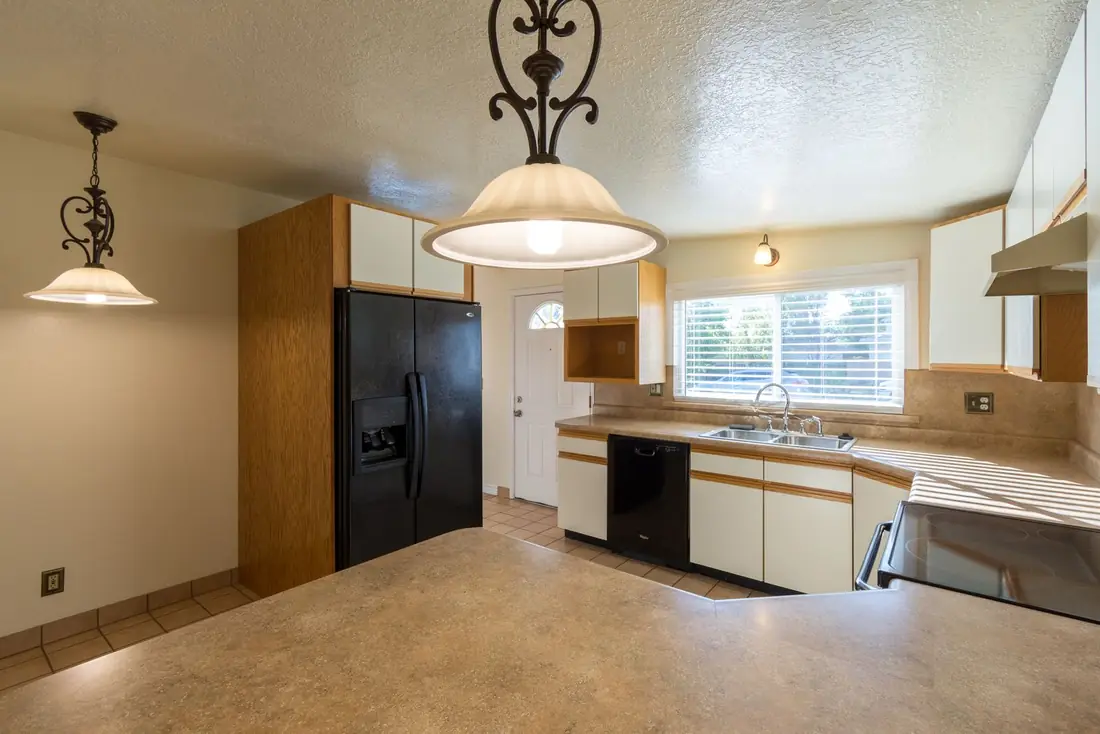
Picture yourself in your dated kitchen, contractor's quote in hand, about to drop several thousand dollars on new cabinets and granite. Now picture the buyer who toured last week, the one who said, out loud, that they planned to gut the whole thing down to the studs. You are about to spend real money building a kitchen for a wrecking ball. That is the part nobody warns you about when you start asking what not to fix when selling a house: some repairs are money you will never, ever see again.
The short answer is that you skip the upgrades buyers will redo anyway (kitchens, bathrooms, flooring, paint colors, fancy fixtures) and you fix the things that scare a buyer or an inspector (leaks, wiring, the furnace, the roof). Cosmetic problems lower your offers a little. Safety and structural problems kill deals. Spend your money on the second list, not the first.
The trap is simple: it feels productive to renovate, so people renovate the wrong things. Here's how to tell the repairs that protect your price from the ones that just drain your bank account.
Why some repairs are just lighting money on fire
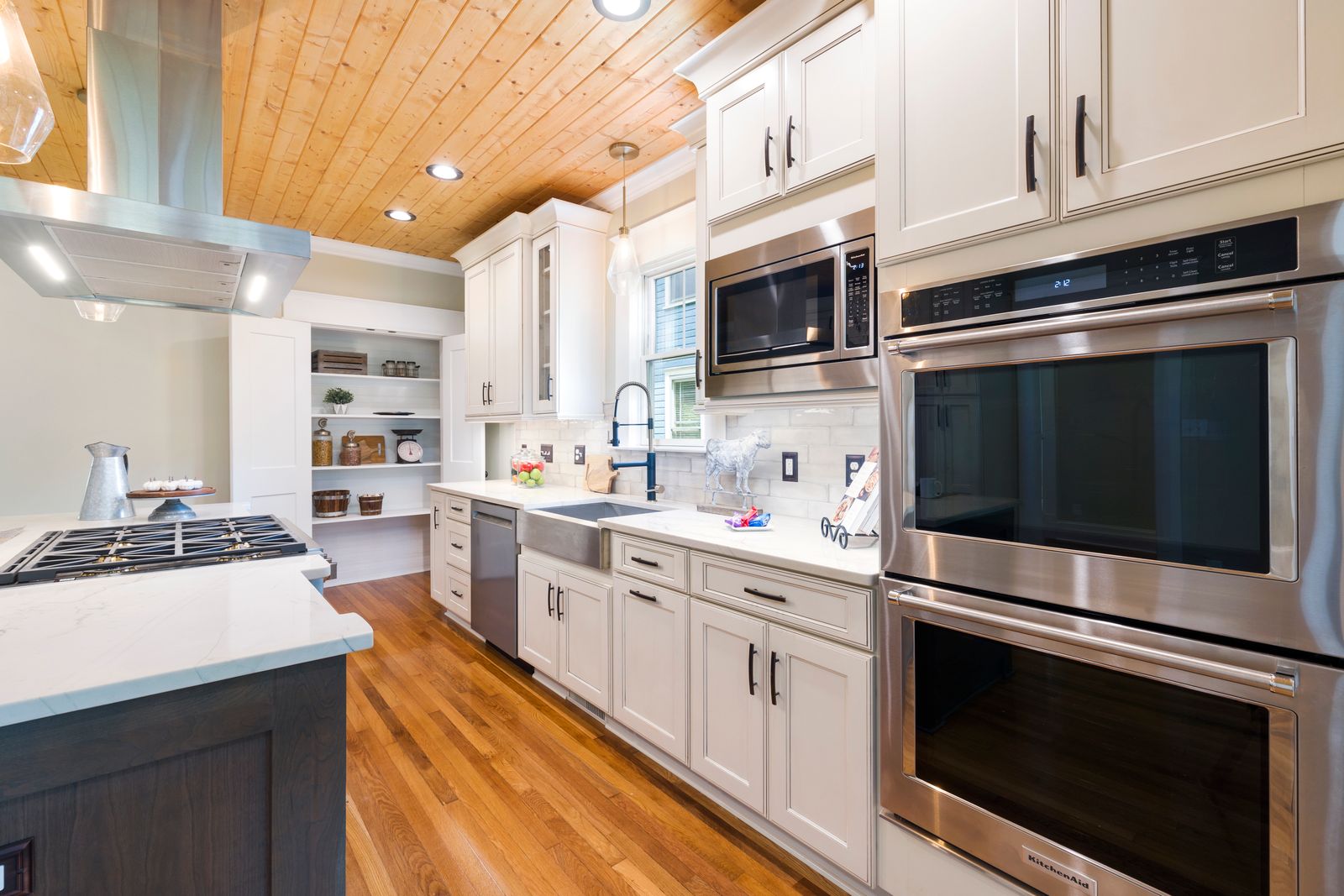
There's a number that should be tattooed on every seller's brain: a major midrange kitchen remodel costs $40,000 to $80,000 and recoups only about half of that at resale. So you spend sixty grand to maybe get thirty back, and then the buyer redoes it in their colors anyway. That's not an improvement. That's a donation.
The reason is taste. You like what you like, and so does the buyer, and those two things rarely match. When you renovate right before selling, you're guessing at a stranger's preferences with your own money, on a deadline. The fair-market value authorities track this every year in the cost-versus-value research HUD points homeowners toward, and the pattern barely moves: big projects, small returns.
I've bought over 100 houses, and I can count on one hand the times a pre-sale remodel actually paid for itself. Mostly people spend the money, feel productive, then sell for about what they would have anyway. The remodel was for the new owner.
There's also the hidden cost nobody budgets for: time. A remodel right before a move means living in dust, chasing a contractor, and pushing your listing date back weeks. If you're moving for a job or trying to sell on a tight timeline, that delay can cost you more than the repair ever could.
What NOT to fix before selling
Here's the do-not-touch list. These are the projects that feel important and almost never pay you back.
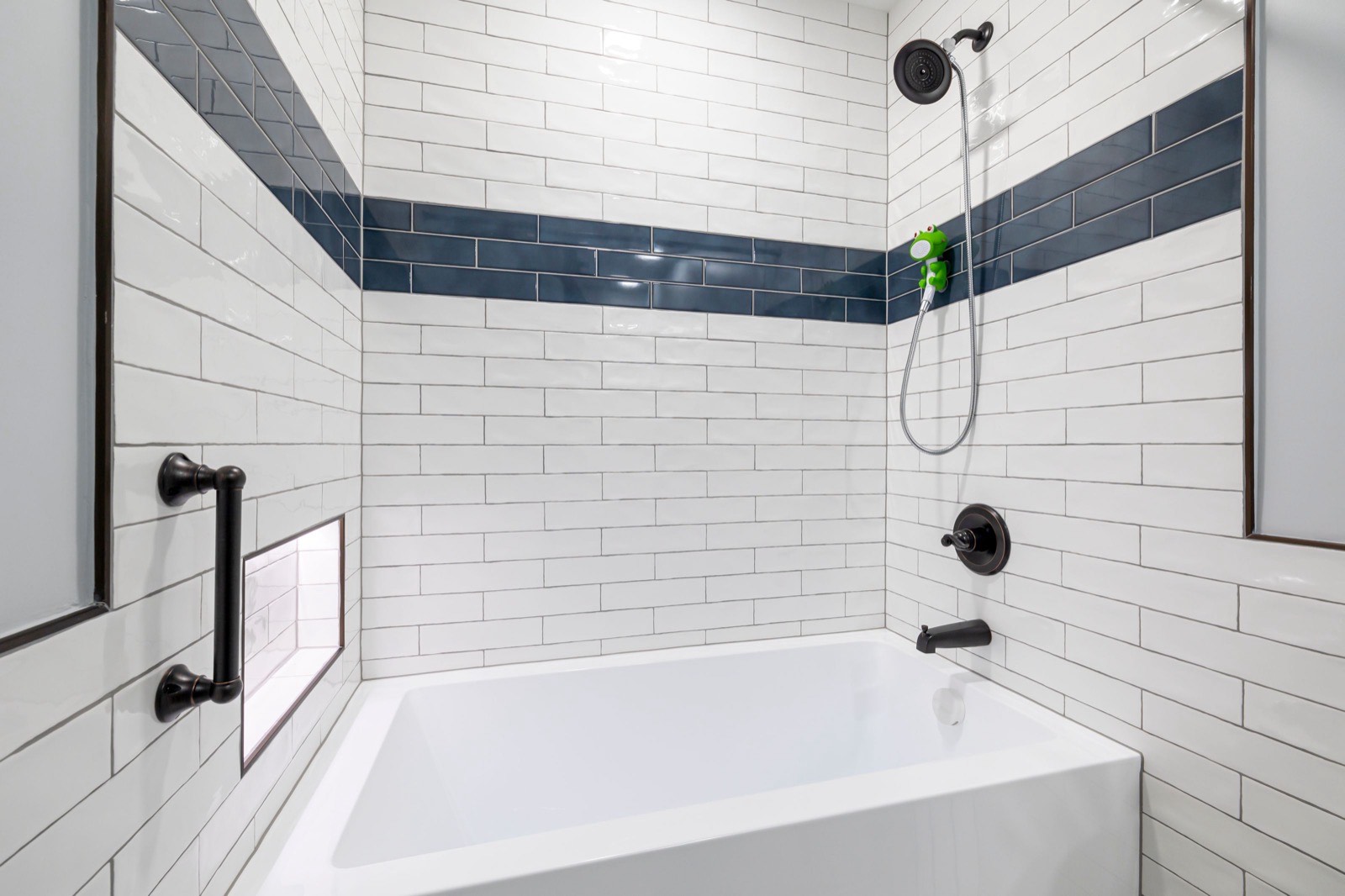
- Full kitchen or bathroom remodels. New cabinets, granite, tile surrounds: rarely recouped, and often gutted by the buyer.
- New flooring or carpet. Buyers have their own taste. A deep clean beats a $6,000 carpet job nine times out of ten.
- Bold or trendy paint colors. If you're painting, plain and neutral. Custom colors and accent walls narrow your buyer pool.
- New appliances. If the old ones work, leave them. Many buyers want to pick their own, or already have a set.
- Minor cosmetic dings. Scuffs, nail holes, a worn cabinet handle. Buyers expect normal wear and look right past it.
- Luxury add-ons. Hot tubs, cold plunges, smart-home systems. These rarely add value and can actually scare buyers off.
- Landscaping overhauls. Mow, trim, and pull weeds. You don't need a new patio or a tree service invoice.
Two of those last the national checklists tend to skip: the luxury add-ons and the landscaping overhaul. People assume a fancy backyard or a fresh hardscape will wow buyers. Mostly it just reads as one more thing for them to maintain, and they don't pay extra for it.
If you want a clear-eyed view of where your money actually goes in a sale, our breakdown of the real cost to sell a house in Iowa shows why pouring cash into upgrades on top of agent fees and closing costs rarely pencils out.
What usually IS worth fixing
Now the other list. These are the repairs that protect your price because they're the ones a buyer or an inspector will flag and use to renegotiate, or walk.
- Active leaks and water damage. A dripping pipe or a stained ceiling signals "expensive problem" to every buyer.
- Electrical hazards. Exposed wiring, a sketchy panel, dead outlets. Safety items spook people and inspectors fast.
- A dead or dying furnace or AC. In Iowa, a heating system that won't run in January is a deal-breaker, not a footnote.
- A failing roof. Missing shingles and leaks scare buyers and can block financing. A genuinely shot roof is worth addressing.
- Broken windows and doors that don't lock. Cheap to fix, and they read as "this house wasn't cared for."
- Anything that fails a safety inspection. If a financed buyer's loan needs it fixed to close, it's on the worth-it list.
Notice the theme: these aren't upgrades, they're function. You're not making the house nicer. You're keeping it from looking broken. The Consumer Financial Protection Bureau has a useful primer on how buyers and their lenders evaluate a home, and the short version is that lenders care about safety and condition, not your backsplash.
A buyer will forgive an ugly kitchen. They will not forgive a furnace that doesn't turn on. Fix the second thing every time, and you'll usually come out ahead.
Cosmetic vs. structural: how to decide
Every repair you're staring at falls into one of two buckets, and the bucket tells you what to do. Cosmetic problems are things buyers can see but live with: dated style, worn finishes, a color you'd never pick. Structural and system problems are things buyers can't live with and won't pay to inherit: the bones, the safety, the stuff behind the walls.
The rule of thumb: if the problem only affects how the house looks, skip it and let the price reflect it. If the problem affects whether the house is safe or functional, fix it or sell to someone who'll take it on. Here's the same idea as a quick table.
| Skip it (cosmetic) | Worth it (safety / function) |
|---|---|
| Dated kitchen cabinets | Active roof leak |
| Old but working appliances | Dead furnace or AC |
| Worn carpet or flooring | Exposed or unsafe wiring |
| Scuffs, dings, nail holes | Broken windows / failing locks |
| Bold paint colors | Plumbing leaks, water damage |
| Tired landscaping | Code or safety-inspection items |
One honest caveat: condition is relative to your buyer. A traditional buyer with a mortgage may need certain safety items fixed before their loan will close, which can push a few "skip it" items onto the "worth it" list. A cash buyer doesn't, which is exactly why the next section exists.

When to skip repairs entirely and sell as-is
Sometimes the math says fix nothing. When the repair list is long, when the furnace, the roof, and the kitchen all need help at once, you can pour ten grand into the house and still sell at a discount for being "a project." At that point, fixing things just moves money from your pocket to a contractor's, and you're not getting it back.
That's when selling as-is makes sense. When you sell your house as-is in Iowa to a cash buyer, you fix nothing, clean nothing, and stage nothing. The buyer prices the repairs in, then handles them after closing. You skip the contractors, the showings, and the months of living in a half-finished house.
People ask how a cash offer is figured, and it's not a mystery. The buyer estimates what the home is worth fixed up (the after-repair value), subtracts the cost of the repairs, subtracts the selling and holding costs, and leaves a margin. That's the offer. The repairs are accounted for in the number, which is the whole point: you're not paying for them twice. I'll walk you through that math line by line, and I'll do it myself, not hand you to a call center.
The cheapest repair budget I've ever seen a seller run was zero dollars. They sold as-is, took the check, and let me deal with the furnace. They came out ahead and they slept fine.
This is the path for a house that needs work, an inheritance you don't want to renovate, a fast move, or a budget that just isn't there. We buy across Des Moines, Ames, Ankeny, Polk County, and all of Iowa, and the areas where we buy houses cover the whole metro and the small towns around it.
The bottom line
What not to fix when selling a house comes down to one question: will the buyer keep it or replace it? If they'll replace it (the kitchen, the carpet, the paint, the appliances), don't spend a dollar. If it's about safety or function (the roof, the wiring, the furnace), fix it or sell to someone who will. And if the whole list is long enough that no repair pays off, the smartest "fix" is to skip them all and sell as-is. If your Iowa house needs work and you'd rather not sink money into repairs you'll never recover, tell me about it and I'll send a fair, no-obligation cash offer with the repair math shown.
What not to fix when selling: FAQ
Should I replace the carpet before selling my house?
Usually no. Buyers often have their own taste in flooring and will redo it anyway. A deep clean is worth it; a full carpet replacement rarely returns what you spend, especially right before a sale.
Do I have to fix code violations before selling in Iowa?
It depends on the buyer and the loan. A traditional buyer using financing may need certain safety items fixed to close. A cash buyer can typically purchase the house as-is, code issues and all, and handle them after closing.
Is it worth remodeling a kitchen before selling?
Almost never right before listing. A full kitchen remodel recoups only about half its cost on average, and the new buyer may gut it anyway. Clean it, fix what's broken, and skip the granite.
What repairs are actually worth doing before I sell?
Safety and function items: active leaks, exposed wiring, a dead furnace, a roof that's failing, broken windows, and anything that would scare a buyer or an inspector. Those protect your price. Cosmetic upgrades usually do not.
Can I sell my Iowa house without fixing anything at all?
Yes. Selling as-is to a cash buyer means you fix nothing, clean nothing, and stage nothing. The buyer prices in the repairs and handles them after closing, which is often the cheapest move when the repair list is long.