Selling a house with bad neighbors in Iowa

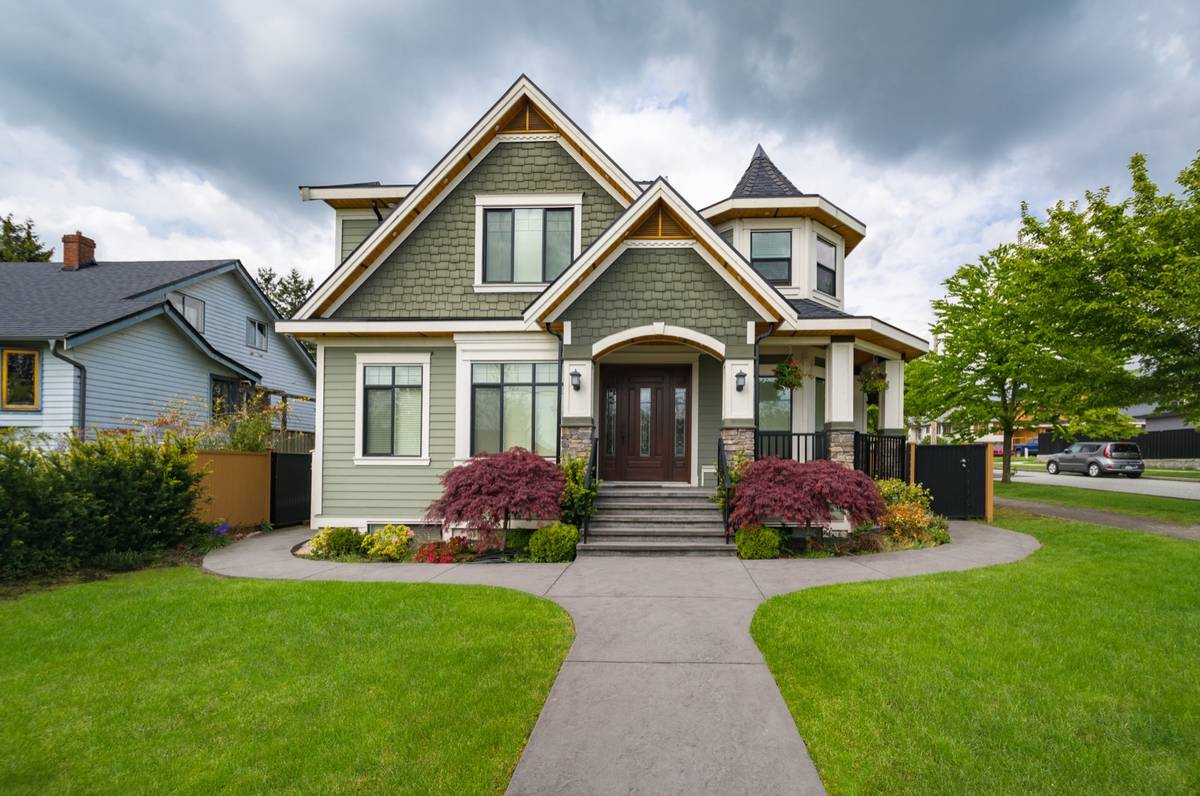
You can stage a house, but you can't stage the guy next door. You spend a weekend steaming the carpet and edging the lawn, the listing photos come out clean and bright, and then a buyer rolls up for a showing right as the bass kicks on next door, a dog throws itself at a chain-link fence, and a blue tarp over a pile of who-knows-what leans into the property line. Selling a house with bad neighbors means you're marketing your home and quietly apologizing for one you don't even own, and buyers feel that math before they ever reach your front door.
Here's the honest version. You can absolutely sell a house next to a difficult neighbor. A bad neighbor doesn't kill the deal, it shaves the price and shrinks the pool of buyers willing to look past them. Noise, a junk-filled or hoarded yard, an aggressive dog, or an ongoing dispute all make a showing harder, and if the problem is a known issue that actually affects your property, it can even land on your Iowa disclosure form. Your job is to soften what you can, price for what you can't, and pick the sale path that cares the least about who lives next door.
A buyer will forgive a tired kitchen faster than the dog that won't stop barking two feet from the fence, because the kitchen is a fixed number and the neighbor is a stranger they'd be stuck living beside. That gap, between a cost you can quote and a nuisance you can't, is the whole reason a great house next to a rough one sits and sits. So let's take it in order: how much it really hurts, what Iowa actually makes you say, what you can do about it, and the three honest ways out.

How bad neighbors actually hurt your sale
A buyer isn't just buying your house. They're buying the twenty feet on either side of it, the sound through the bedroom window, and the view out the kitchen sink. That's the part you can't renovate, and it's the part a bad neighbor poisons.
Think about what a showing really is. It's a stranger deciding, in a few minutes, whether they can picture their life here. A yard full of junk next door, a couch rotting on a porch, three cars up on blocks, and they don't picture their life, they picture yours plus that. Noise does the same job faster. A barking dog or a subwoofer during a Saturday open house tells the buyer exactly what a random Tuesday sounds like, and no amount of fresh paint talks them out of it.
The damage shows up in two places. First, fewer people even make it inside, because plenty turn around at the curb. Second, the ones who do come in bid lower, since they're pricing in a problem they'd be inheriting with the keys. That's the same trap I wrote about in why your house won't sell in Iowa: the listing looks fine on paper, but something the photos can't capture keeps knocking buyers loose.
(I've walked spotless, well-kept homes that should have sold in a week, and the only thing wrong was a nuisance property next door that made every buyer do the same quiet flinch at the driveway.)
A worn-out house is a number a buyer can fix. A rough neighbor is a stranger they can't, and the part they can't fix is the part that scares them off the price.
Worth being honest with yourself about which kind of problem you've got, too. A one-weekend mess that a neighbor could clean up is a very different drag than a run-down nuisance house or a dispute that clearly isn't ending. The more permanent it looks, the harder it pulls on your price.

Do you have to disclose bad neighbors in Iowa?
This is the part sellers get wrong in both directions. Some think they have to write a tell-all about every squabble on the block. Others think "as-is" or "not my property" means they can stay quiet about anything. Both are off.
Here's the honest middle. Iowa requires most sellers of residential property to give the buyer a written condition disclosure statement covering what they actually know about the home. A vague personality clash or "the guy next door is rude" usually isn't a property condition, so it usually isn't disclosure material. But a known, documented problem that materially affects your property is a different animal. An ongoing legal dispute, a fence or structure that encroaches over the property line, a recurring nuisance you've formally complained about to the city, those can be things you have to put on the form.
And there's a bright line under all of it: you can never answer a buyer's direct question with a lie. If a buyer flat-out asks whether there's been trouble with the neighbor, you don't get to invent a happy story. Staying honest here isn't just legal cover, it's what keeps the deal from blowing up later, the same way an unravelled inspection does. I'm a home buyer, not a lawyer, so treat this as the plain-English version and confirm what actually applies to your situation with an Iowa real estate attorney.
One thing that helps: document, don't dramatize. If there's a real issue, a short factual note and any paperwork you already have beats either hiding it or turning the disclosure into a diary. Buyers can handle a known problem. What kills deals is a surprise they feel you buried. The CFPB's home-buying resources are a decent primer on how seriously buyers and their lenders take what shows up (and doesn't) before closing.

What you can do about it before you list
You can't sand down the neighbor, but you have more control over the impression than you'd think. Almost all of it lives on your side of the property line, and it's about shaping those first thirty seconds when a buyer's opinion of the price quietly gets set.
Screen the view. A taller privacy fence, a row of fast-growing evergreens, or a bank of shrubs along the shared line can block an ugly yard and take the edge off noise. You're not hiding anything you'd have to disclose, you're just not framing your listing around your neighbor's junk pile.
Time the showings. You know the rhythm of the street better than any buyer. If the dog is usually inside in the mornings, or the block is dead quiet on weekday afternoons, steer showings there. Lead buyers up the walk from the calmer side if you can.
Fix your own frame. A sharp, clearly-loved house pulls the eye inward. Clean lines, good curb appeal, and tidy landscaping tell a buyer the story is your home, not the mess beyond the fence. That said, don't over-spend chasing it. Some of what you feel you "have to" do won't move the price, and I laid out where that money vanishes in what not to fix when selling a house in Iowa.
Be realistic about the ceiling, though. Landscaping softens a view. It doesn't silence a genuinely disruptive neighbor or resolve a live dispute. If the problem is loud, constant, and obvious, screening buys you a better first impression, not a full escape, and the price still has to tell the truth.

Your three options, honestly compared
Once you've softened what you can, the neighbor is still there, and you've got three honest ways to sell around them. Here they are straight, with the catch on each.
1. Price it in and list on the MLS
List on the open market, screen the view, disclose what you legitimately have to, and set the price a notch under a comparable house with a quiet neighbor. This can absolutely work, especially if the problem is minor or cleans up. The catch is the wait and the walk-aways: a share of buyers still bail at the curb, financed buyers can get skittish, and you may sit longer and negotiate harder than a normal listing. Best when the neighbor is an annoyance, not a dealbreaker.
2. Wait it out or work it out
Sometimes the fix is patience or a conversation. A junk pile can get hauled off, a dog situation can change, a dispute can settle. If you're not in a hurry, waiting for the neighbor problem to cool can genuinely lift your sale price later. The catch is that you don't control the neighbor's timeline, and "wait" costs you every month of mortgage, taxes, insurance, and upkeep while you hope. This only makes sense if the problem is temporary and your clock is loose.
3. Sell it as-is to a cash buyer
Sell directly to a cash or investor buyer who prices the situation in and closes anyway. You get less than a perfect retail number, and I won't pretend otherwise, that's the honest trade. In exchange, you skip the parade of showings that fall apart at the driveway, you don't stage around the noise, there's no lender getting cold feet over the block, and you pick the closing date. A cash buyer isn't raising kids next to it, so the thing that terrifies a retail family barely moves their number. On a house where buyers keep walking because of what's next door, this is the lane I work in, and selling a house as-is in Iowa walks through exactly what that means before you commit.
| Path | Best when | The catch |
|---|---|---|
| Price it in and list | The neighbor is a minor annoyance and your timeline has room | Curb walk-aways, skittish financed buyers, a longer, harder sale |
| Wait it out | The problem is temporary and you're in no rush | You don't control the neighbor, and every month of holding costs money |
| Sell as-is for cash | The neighbor is the dealbreaker and you want out clean | Lower price traded for speed, certainty, and zero showings |
Here's how a fair cash buyer builds the number, so it isn't a black box: we start with the after-repair value (what the house is worth fully fixed up), then subtract any cost to repair, the holding and selling costs, and a margin to make the risk worth it. A tough neighbor doesn't get its own line item so much as it shows up in how cautiously the whole thing gets priced, because it affects how fast and for how much we can resell. No games, just arithmetic. If you want to see how the rest of a cash sale runs start to finish, walk through how the process works.
One honest note, because it's how I run things: if your neighbor problem is small and your timeline is flexible, listing may well net you more than my offer, and I'll tell you that straight. I'm one more option, not the only one, and "no harm, no foul" if it's not the right fit. If it is a fit, this is where I buy houses across Iowa.
The bottom line
Selling a house with bad neighbors isn't hopeless, it's a first-impression problem before it's a price problem, because the buyer is judging a street you can't renovate. Sort it honestly. Minor annoyance, flexible timeline? Screen the view, price it a touch under the quiet-neighbor house, and list. A live dispute, a nuisance property, or a buyer pool that keeps walking at the curb? A cash sale usually wins on what actually lands in your pocket once you count the showings that never closed and the months of waiting.
If you want the honest math on your specific house, difficult neighbor and all, tell me about it and I'll send a fair, no-obligation cash offer within 24 hours, with no repairs, no staging around the noise, and no fee. I buy houses across the Des Moines metro and the rest of Iowa, and if listing and waiting out the neighbor is your smarter move, I'll tell you that too.
Selling next to a bad neighbor: FAQ
Can you sell a house with bad neighbors in Iowa?
Yes. A difficult neighbor makes a sale harder, not impossible. Noise, a junk-filled or hoarded yard, aggressive dogs, and open disputes shrink your buyer pool and pull down what people will pay, because a buyer is deciding whether they want to live next to that too. You can still sell. The move is to soften what you can with fencing, landscaping, and smart showing times, price the house realistically for the situation, or sell it as-is to a cash or investor buyer who is far less deterred by the neighbor than a retail family would be.
Do you have to disclose bad neighbors when selling a house in Iowa?
Sometimes, and you can never lie about it. Iowa requires most sellers of residential property to give the buyer a written condition disclosure statement covering what they know about the property. A vague personality clash is usually not a property condition, but a known, documented problem that materially affects the home, such as an ongoing legal dispute, a recurring nuisance you have formally complained about, or an encroachment over the property line, can be something you have to disclose. And if a buyer asks you a direct question, you cannot answer it dishonestly. Confirm exactly what applies to your situation with an Iowa real estate attorney.
Do bad neighbors lower your home's value?
They can. Buyers price in what they can see and hear on a walkthrough, so a barking dog, a yard full of junk, or a run-down nuisance property next door can cost you both showings and dollars. The size of the hit depends on how obvious and how permanent the problem feels. A one-off mess that cleans up reads very differently than an ongoing dispute a buyer worries they will inherit. The more it looks like a problem that follows the house, the more it drags the price.
Can I make the neighbor problem look better before showings?
Often, yes, at least around your own property. You control your side of the line, so a taller privacy fence, a row of fast-growing shrubs or trees, and screening plants can block an ugly view and soften noise. Timing helps too: show the house when the dog is usually inside or the street is quiet, and lead buyers in from the calmer side. You cannot fix the neighbor, but you can shape the impression a buyer forms in the first thirty seconds, which is often where the price gets decided.
Should I sell to a cash buyer if my neighbor is the problem?
It is often the cleanest path when the neighbor is the dealbreaker. A cash or investor buyer prices the situation in and moves ahead anyway, because they are not raising kids next to it and they are not waiting on a lender's opinion of the block. You trade some retail price for speed and certainty, with no repairs, no staging around the noise, no parade of showings that fall apart at the curb, and a closing date you pick. On a house where retail buyers keep walking because of what is next door, that trade often nets close to what a slow, discounted listing would.