Selling a Rental Property in Iowa: A Tired Landlord's Exit Plan
Every landlord hits a moment, usually around the third burst pipe, when the rental stops feeling like an investment and starts feeling like a second job. The water-heater text that always lands at the worst possible time. The tenant who pays on the 12th, then the 15th, then whenever they get to it. The turnover where you stand in an empty unit smelling old carpet and running math you do not enjoy. Somewhere in there, a quieter question shows up on its own: what would selling a rental property in Iowa actually look like, and could you just be done with it? Good news, you have more than one door out, and not one of them makes you fix that water heater first.
Here is the honest version. A tired landlord in Iowa usually has three real exits: sell with the tenant still in place to another investor, sell the place vacant once the lease runs out, or sell it as-is to a cash buyer and walk away from the whole operation. Which one fits depends on your lease, your tenant, the shape of the house, and how fast you want out. Taxes matter too, because a rental is not your personal home in the eyes of the IRS, but those are a conversation for your CPA, not a reason to hold a property you are finished with.
Your tenant is a real person with a lease and a life, and the IRS treats your rental as a business, so this exit carries two moving parts a normal home sale never touches: the human living in the house, and the depreciation you have been writing off for years. Get those two straight and the rest of the decision gets easy. Let's walk each path.

The tired-landlord moment
Nobody gets into rentals planning to hate them. You buy the place because the numbers work, because everyone says real estate builds wealth, because collecting rent sounds a lot better than watching a stock chart. And for a while it is fine. Then the roof needs work the same month the furnace quits, a tenant moves out and leaves you a project instead of a unit, and you realize the "passive income" has been quietly billing you in weekends.
I will say this as someone who owns rentals myself: the job is not passive, and anyone who tells you otherwise is selling a course. Good tenants and a solid property manager make it a lot smoother, but there is always a call, always a cost, always a decision waiting. That is not a reason to panic-sell. It is a reason to be honest about whether you still want the job, or whether the equity would do more for you somewhere with fewer middle-of-the-night water heaters attached.
(The tell I look for is simple: when the rent hits your account, do you feel a little win, or a little dread that it is only a matter of time before something eats it? If it is dread, you have your answer.)
If you are genuinely torn between cashing out and holding on, that is its own decision worth slowing down for, and I broke it down in whether to sell or keep renting your house in Iowa. If you already know you are done, keep reading, because the three exits below are all real and none of them require you to love being a landlord for one more day.
Option 1: Sell with the tenant in place
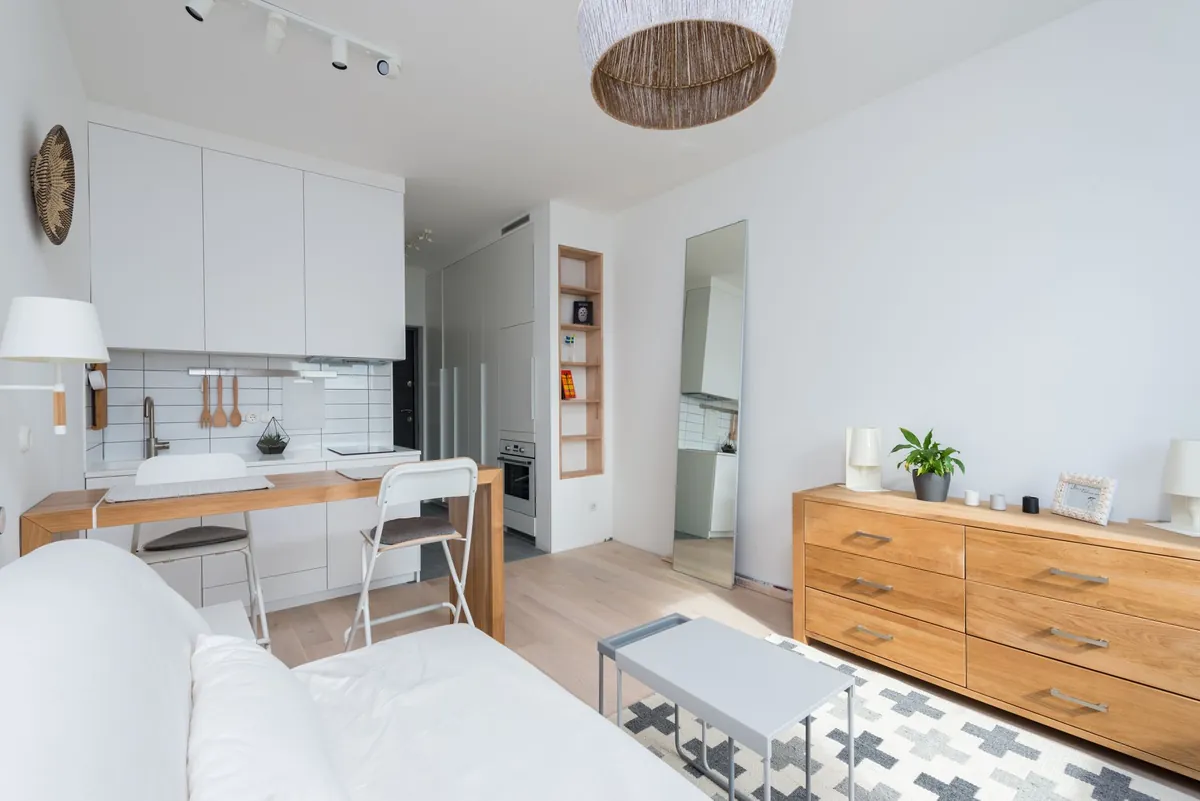
Here is the thing most tired landlords do not realize: a tenant is not a problem you have to clear before you sell. To the right buyer, a paying tenant is the whole point. Investors love a rental that already has a lease and a rent check landing, because they get income from the first day instead of scrambling to fill a vacancy. You can sell the property occupied and let the new owner take it from there.
The key rule is that a valid fixed-term lease generally survives the sale. The lease runs with the property, not with you, so when you sell, the buyer steps into your shoes and has to honor the remaining term, the rent, and the security deposit. You do not get to void the lease just because the deed changed hands, and honestly, you would not want to, because that lease is exactly what makes the place worth more to an investor.
A month-to-month tenant is a different animal. There is no fixed term to inherit, so a month-to-month tenancy can be ended with proper written notice under Iowa law before or after a sale. If your tenant is on a handshake or an expired lease that rolled to month-to-month, you have more flexibility, but you still have to give the notice the law requires, in writing, with the right number of days. The Iowa tenant-rights basics are laid out plainly at Iowa Legal Aid if you want to confirm the specifics for your situation.
Selling with a tenant in place is not a workaround. It is often the version that nets you the most, because you are handing a buyer a working business, not an empty box they have to fill.
There is a right way and a wrong way to sell out from under a tenant, and the wrong way creates legal headaches you do not need on your way out the door. I walked through the whole occupied-sale playbook, notices, showings, deposits and all, in selling a house with tenants in Iowa. Read that before you list an occupied unit.
Option 2: Sell vacant after the lease ends
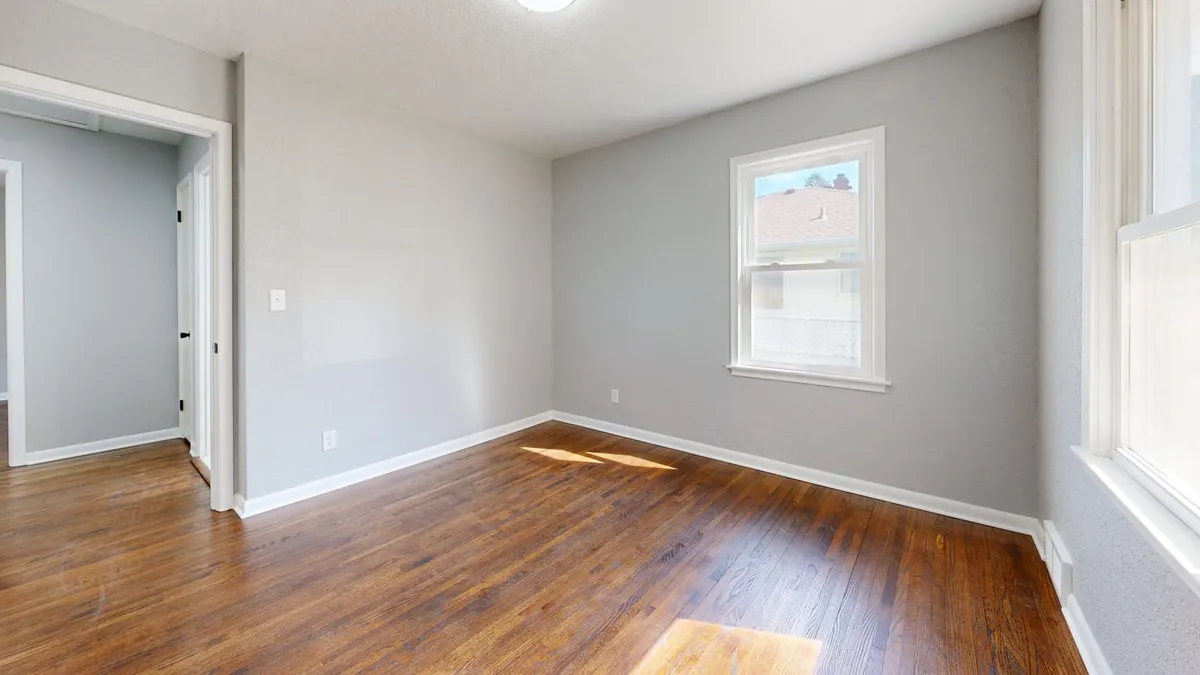
If you want to sell to a regular homebuyer, the family that wants to actually live in the place, vacant is usually the way. Owner-occupant buyers do not want to inherit someone else's tenant, and they want to walk the house, picture their couch in it, and move in on their timeline. That market is bigger and often pays more per square foot than the investor pool, but it comes with a condition: an empty house.
The cleanest route to vacant is patience, not conflict. Wait for the fixed-term lease to run out and simply not renew it, giving whatever notice Iowa requires, rather than trying to force a paying tenant out early. Breaking a valid lease to sell is how landlords end up in disputes, and it can cloud the very sale you are trying to make. Let the calendar do the work.
Vacant also means you are back in traditional-sale land, with all that entails. In Iowa, a listed home typically takes somewhere in the range of 30 to 60 days to reach a contract and then another 30 to 45 days to close, and that is before you count the days you spent getting the unit rent-ready. Remember Iowa is an abstract state, so closings run on a physical abstract of title that an attorney updates and examines before the deal can finish, which adds a few days and routinely surprises out-of-state owners who have never heard the word "abstract."
(One honest caution: a vacant rental can also become a liability while it sits, no rent coming in, and an empty house is a magnet for the small disasters that show up when nobody is watching. If your unit needs real work to show well, going vacant can mean paying to fix a house you are about to hand to someone else.)

Option 3: Sell as-is, fast, for cash
Then there is the exit for the landlord who is just done, the one whose rental needs thousands in work, has a tenant they would rather not manage through a listing, or who simply does not want to spend another season being a landlord. Selling as-is to a cash buyer collapses the whole process into something you can measure in days.
Because a cash buyer is not waiting on a mortgage, an appraisal, or a lender's underwriting, the timeline shrinks hard. A cash sale can close in as little as seven days once the abstract is clean, with no financing contingency to fall through at the last minute. You skip the repairs, the staging, the parade of showings, and the coordination of getting a tenant to keep the place tidy for strangers. If the tenant is staying, an investor cash buyer can often keep them in place, so nobody gets evicted on your account.
This is not a fit for every seller, and I will be the first to say so. A cash offer trades a slice of retail price for speed and certainty and zero hassle, so if your rental is in great shape, vacant, and you have time to wait, listing it may net you more. But if it is rough, occupied, or you value being finished over squeezing the last dollar, as-is is built for exactly that. I explained what "as-is" really means for an Iowa seller in selling a house as-is in Iowa, including the part where you leave the junk and we handle it.
How is the offer built? No mystery, and no published price, because your property is not a template. The math is always the same shape: after-repair value, minus the cost of repairs, minus the costs of the sale, minus a fair margin. In six years I have bought over 100 houses across Iowa with no commissions and no fees, kept a good number of them as long-term rentals, and later resold some back to families in the community. Tired landlords are one of the most common situations I buy in, right alongside probate, divorce, and foreclosure, so if that is you, it is worth running the numbers on a cash offer before you assume listing is your only move.

The tax realities: gains, recapture, and the 1031
Here is the part that catches landlords off guard, so I want to be clear up front: I am not a CPA, and none of this is tax advice. It is the plain-English map so you know which questions to ask. A rental is an investment property, not your personal residence, so the home-sale exclusion that shields a lot of homeowners from tax does not automatically cover you.
Two tax realities tend to show up when you sell a rental. First, capital gains: if you sell for more than your adjusted basis, the profit can be taxed as a capital gain. The IRS lays out the basics in its capital gains and losses overview. Second, and the one that surprises people, is depreciation recapture. Every year you owned the rental, the IRS let you deduct depreciation for wear on the building. When you sell, the portion of your gain that matches that depreciation gets settled up, often taxed at a higher rate than the rest of the gain, and it applies whether or not you actually claimed the deductions.
The tool landlords use to push the tax down the road is the 1031 exchange. If you reinvest the proceeds into another qualifying investment property within the IRS timelines and rules, you may be able to defer the capital gains and recapture rather than pay them now. It is not free money and it is not simple, there are strict deadlines and a qualified intermediary involved, but it is a real option, and the IRS explains it in its like-kind exchange guidance.
I am deliberately not putting numbers on any of this, because your basis, your depreciation history, and your bracket make every case different, and a wrong estimate here costs real money. The point is only this: know that recapture and gains exist so they do not ambush you at closing, and get a CPA to run your actual figures. I put together a fuller, still-general walk-through in the taxes on selling a rental property in Iowa if you want the longer version before that CPA meeting.
The bottom line
Being tired of your rental is not a failure, it is data. Once you decide you are out, selling a rental property in Iowa comes down to three honest paths: sell with the tenant in place to an investor who wants the income, wait out the lease and sell vacant to a homebuyer, or sell as-is to a cash buyer and be done in about a week. The lease decides how you handle the tenant, and a CPA decides how you handle the gains and depreciation recapture, ideally before you sign anything.
If you want a straight read on which path actually fits your property, that is a call I am happy to have, and here is my promise: if listing or holding beats selling to me, I will tell you from the get-go. No harm, no foul, I am just one more option on the table. Request a free, no-pressure cash offer, see how it works, or call 515-216-0652 and tell me about your rental.
Selling a rental property in Iowa: FAQ
Can I sell a rental property with tenants still living in it in Iowa?
Yes. You can sell a tenant-occupied rental in Iowa, and it happens all the time, usually to another investor who wants the income from day one. A fixed-term lease generally survives the sale, so the new owner steps into your shoes and honors it. A month-to-month tenant can be given proper written notice to end the arrangement, following Iowa's notice rules. What you cannot do is treat a paying tenant with a valid lease as if they are not there, so plan the sale around the lease you actually signed.
Does the lease end when I sell the property?
Generally, no. In most cases a valid fixed-term lease runs with the property, not with you as the owner, so when you sell, the buyer takes the house subject to that lease and has to honor its terms and the security deposit. A month-to-month tenancy is different, it can be ended with proper written notice under Iowa law. If you want to deliver the house vacant, the cleanest path is usually to wait for the lease to end rather than try to break it.
Do I have to pay capital gains tax when I sell a rental in Iowa?
Usually there is some tax to deal with, because a rental is an investment property, not your personal residence, so the home-sale exclusion that protects many homeowners does not automatically apply. A gain on a rental can trigger capital gains tax plus depreciation recapture on the depreciation you claimed over the years. A 1031 exchange may let you defer the tax if you reinvest into another qualifying property. The exact numbers depend on your basis and situation, so run them with a CPA, not a blog.
What is depreciation recapture when selling a rental?
When you own a rental, the IRS lets you deduct depreciation each year to account for wear on the building. When you sell, that benefit gets partly settled up: the portion of your gain that matches the depreciation you took is taxed as depreciation recapture, often at a higher rate than the rest of the capital gain. It surprises a lot of landlords because it applies even if you never noticed the deductions. This is exactly the kind of number a CPA should calculate for your specific property before you sign anything.
Can I sell my Iowa rental fast without fixing it up or evicting the tenant?
Yes. A cash buyer can take the property as-is, which means you skip repairs, showings, and staging, and a cash sale can close in as little as seven days once the abstract is clean. If the house is tenant-occupied, an investor buyer can often keep the existing tenant in place rather than force anyone out, so you avoid the eviction route entirely. That combination, no repairs and no tenant disruption, is one of the most common reasons tired landlords call us instead of listing.