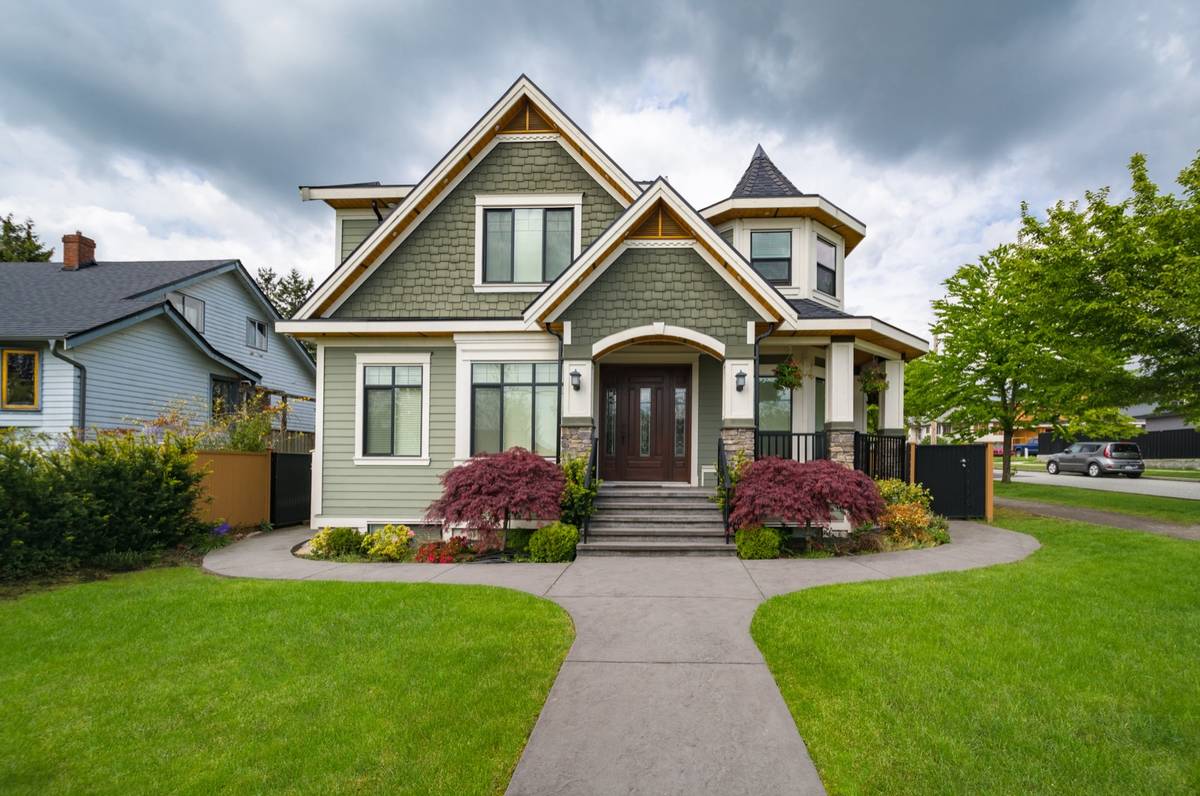
Cash home buyer vs iBuyer in Iowa
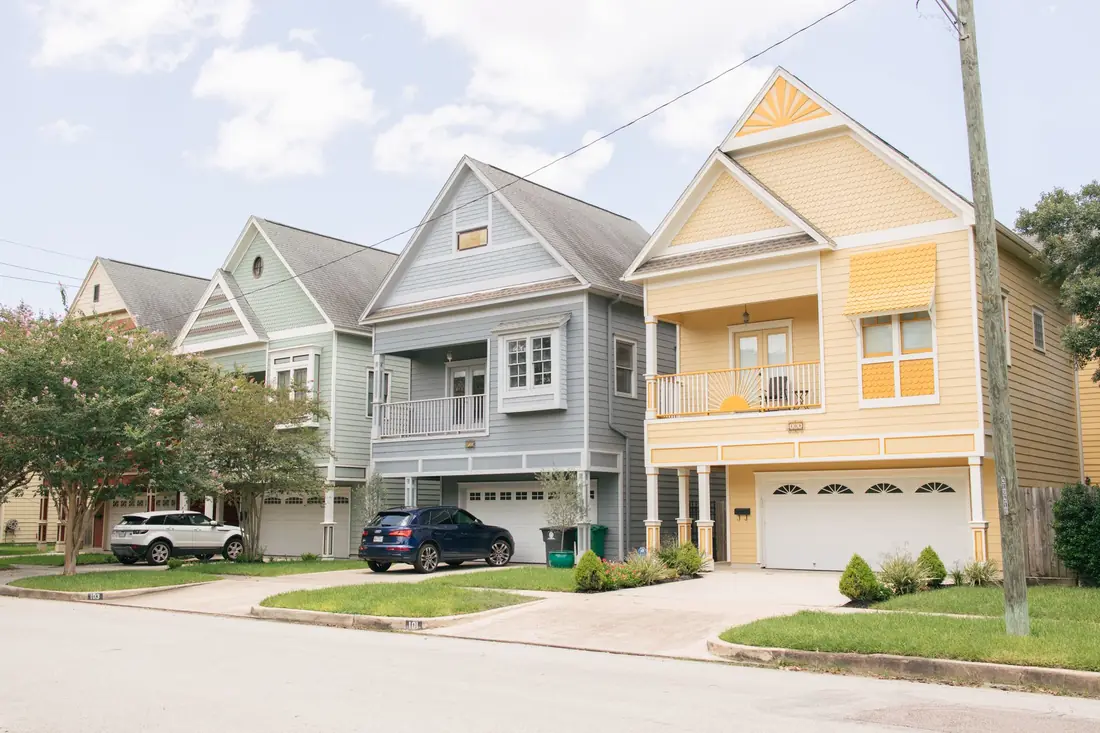
Opendoor and a local cash buyer both say we buy houses. They are not the same animal. One is a company running your address through a pricing model in an office three states away, spitting a number back at you, then sending an inspector who trims that number with a repair list. The other is a person who drives out to your street, walks the place, and hands you an offer he actually stands behind. Put them next to each other and the phrase cash home buyer starts to mean two very different things: a national iBuyer platform, or a local investor buying houses in your town. Same three words on the billboard, wildly different deal.
Here is the honest version. An iBuyer like Opendoor is an algorithm-first company: it wants homes in decent shape, in metro zip codes, and it makes its money on a service fee plus a repair-deduction list it hands you after the inspection. A local cash buyer is one person, or a small team, who buys any condition, charges no service fee, and closes on the date you pick. Neither one is a scam. They are simply built for different houses and different sellers.
An iBuyer wants a clean, recent house in the right zip code and prices the convenience with a fee. A local cash buyer wants the house the iBuyer just turned down, the one with the tired roof, the estate cleanout, the acreage a model cannot find comps for, and prices that instead. Once you see the two as tools built for different jobs, picking between them stops being a coin flip and starts being obvious.
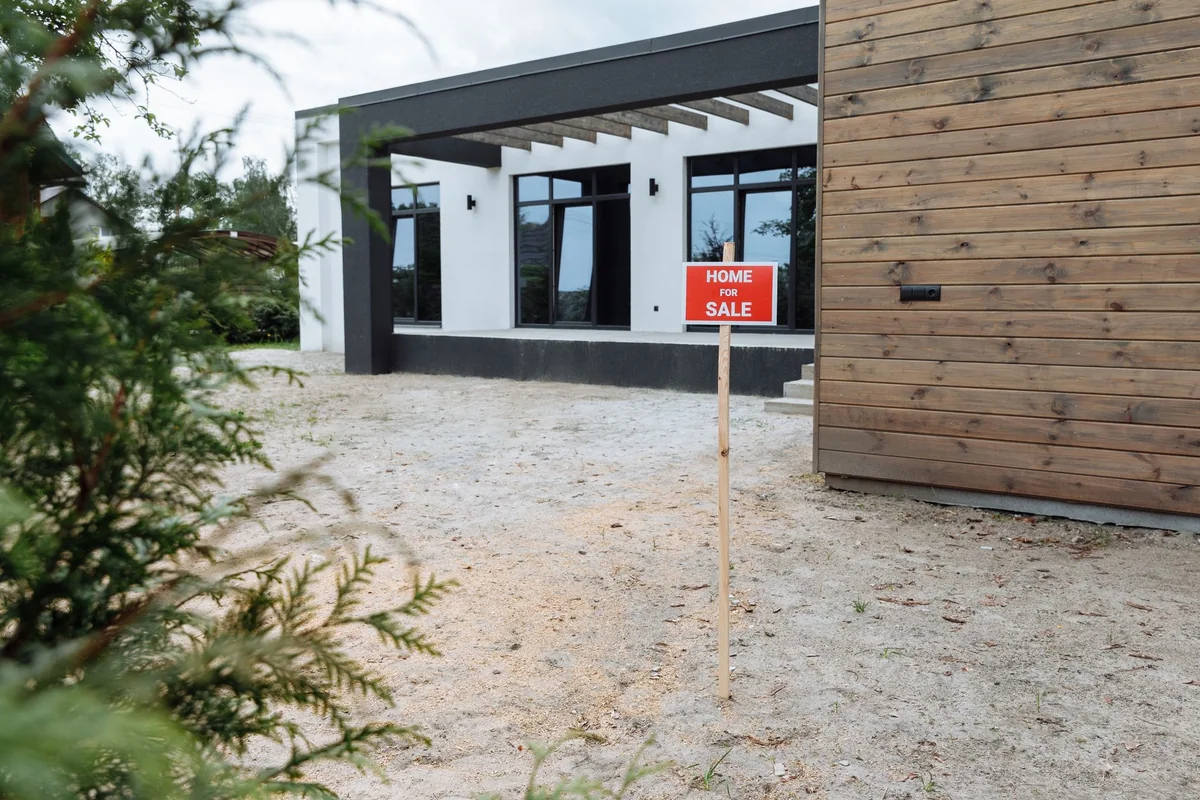
"We buy houses" is where the resemblance ends
Both an iBuyer and a local cash buyer promise the same headline: a fast sale, no listing, no showings, cash at close. That is where the overlap stops. Everything under the hood is different, and the differences are exactly what decide how much money you keep.
An iBuyer (short for instant buyer) is a technology company. Opendoor is the name most people know, and there have been a few others. It runs on scale and software: you punch in your address, an algorithm compares it to recent sales, and you get a quick offer, often within a day or two. To make that model work, the company needs volume and predictability, which is why iBuyers cluster in big metro markets full of similar houses. If you want the textbook version, Investopedia's breakdown of what an iBuyer is lays out the mechanics.
A local cash buyer is not a platform. It is a person or a small local company that buys houses directly with its own money, usually to fix up and rent or resell. There is no national call center and no pricing model in another state. You talk to the actual human who is buying your house, and that human can look at your specific situation, not just your square footage.
(The tell is who picks up the phone. With an iBuyer you are a ticket number moving through a queue. With a local buyer you are a phone call with a name attached. Neither is automatically better, but they feel completely different when your closing hits a snag.)
An algorithm is very good at pricing the average house on the average street. It is useless on the house with a story, and most people who need to sell fast have a house with a story.
If you are still deciding whether a cash sale of any kind beats listing with an agent, start with the cash offer vs realtor breakdown for Iowa first, then come back here to sort out which kind of cash buyer fits.

What an iBuyer like Opendoor actually is
Here is the honest case for an iBuyer, because there is a real one. If your house is newer, clean, and sitting in a metro zip code the platform serves, an iBuyer can be genuinely convenient. You skip the showings, you pick a close date, and you get a number fast. For the right house, that is a fair trade.
But you have to know how the model makes money, because the first number is not the final number. Two things reliably eat into it:
- A service fee. iBuyers charge a service fee that is separate from the offer, often somewhere around five percent of the price. It functions a lot like a commission, just wearing a different name. Opendoor spells out its own fee and process on its site, and it is worth reading line by line before you sign anything.
- A repair-deduction list. After you accept, the iBuyer sends an inspector. Then it comes back with a list of repairs it wants credited, and subtracts its estimate for that work from what it pays you. This is the step that surprises sellers most: the clean offer you accepted quietly shrinks once the inspection report lands.
The other limit is the house itself. iBuyers are built to buy homes that are close to market-ready, so they are picky. A bad roof, foundation problems, fire or water damage, an old septic system, or a heavy cleanout will often get your house declined outright, or buried under repair deductions so deep the offer stops making sense. The Zillow explainer on iBuyers is candid that these programs target homes in good condition. The algorithm is not built for the rough ones.
None of that makes an iBuyer a bad actor. It makes it a specialist. It is a fast, tech-driven option for a specific kind of house: recent, tidy, metro, and priced so a model can be confident. Push outside that box and it stops fitting.

What a local cash buyer actually is
A local cash buyer is the opposite build. Instead of a model that needs a clean, average house, it is a person who is looking for the houses everybody else passed on. That changes the whole deal.
Any condition, on purpose. The rough houses an iBuyer rejects are the ones a local buyer actually wants. Death, divorce, foreclosure, a job relocation, a tired landlord done with tenants, a hoarder or junk-filled home, a house that needs thousands in work no agent will list because it is too far gone. Leave the junk. That is the job. If your house falls in that bucket, here is how buying houses in any condition in Iowa actually works.
No service fee, no commission. A local cash buyer does not tack on a five percent service fee, and there is no agent commission because there is no agent. The condition is priced into the one number you are quoted, so there is no second haircut after an inspection. What you agree to is what you close on.
A flexible close. Because a local buyer uses its own money, it can bend to your calendar. Need to close in a week ahead of a foreclosure sale date? A cash sale can close in as little as seven days, since there is no lender and no appraisal in the way. Need three weeks to sort out an estate? That works too. One thing worth knowing here in Iowa: this is an abstract state, so instead of title insurance we use a physical abstract of title that gets updated and examined by an attorney before closing. It adds a few days and it trips up out-of-state parties, which is one more reason a buyer who already knows the Iowa process is worth having.
Let me make the case with a real one. My first flip, back when I was about twenty, was the worst house on the block, right next to Ames High School. I cleaned it out myself, including picking up hundreds of needles out of the yard before the real work even started. No algorithm on earth was going to make an offer on that place. I fixed it up, a nice couple bought it, and their kids go to Ames High now. It is a rental today. That is the whole point of a local buyer: we buy the ones nobody else will, and fixing the worst house on a street quietly lifts everything around it, the school, the security, the street, the sanitation, the spaces, the services. An iBuyer's model would have skipped that house without blinking.
An iBuyer is looking for the house that needs nothing. A local buyer is looking for the house that needs everything. If your house has a problem, you want the buyer who is hunting for problems.
I will also do the thing an algorithm never will: tell you when a cash sale is not your best move. If listing gets you more and you can wait, I will say so. No harm, no foul, I am just here to be one more option. Six years in Iowa real estate and 100-plus houses bought across the state have taught me that an honest no keeps more people coming back than a pushy yes ever did.

iBuyer coverage in Iowa, and which one fits your house
Before you spend an afternoon chasing an Opendoor offer, know this: iBuyer coverage in Iowa is thin. These platforms live in big, fast-moving metro markets with thousands of similar homes their algorithm can price with confidence. In Iowa that means any activity tends to cluster around the Des Moines metro, if it is available at all. Step out into the smaller cities, the older housing stock, and the rural counties, and the model usually goes quiet, because there simply are not enough recent comparable sales to feed it.
A local Iowa buyer does not have that ceiling. I buy all across Iowa, in the metro and in the small towns, the acreages, and the older homes the national platforms skip. Coverage is not a footnote here, it is often the whole decision: if the iBuyer will not make an offer on your zip code, the comparison is over before it starts.
When both are actually on the table, here is the plain way to sort it:
| iBuyer (Opendoor, etc.) | Local cash buyer | |
|---|---|---|
| Who makes the offer | A pricing algorithm, then an inspector | A real person who walks the house |
| Condition it wants | Market-ready, newer, tidy | Any condition, including rough and as-is |
| Fees | Service fee (often around five percent) | No service fee, no commission |
| After you accept | Repair deductions after inspection | One number, priced for condition up front |
| Iowa coverage | Thin, mostly Des Moines metro if at all | All across Iowa, metro and rural |
| Closing | Set schedule on their terms | Flexible, as fast as seven days |
So the honest recommendation splits cleanly. If your house is newer, clean, and in a metro zip code an iBuyer serves, get the iBuyer number, read the fee and the repair deductions carefully, and treat it as one real option. If your house needs work, sits in a smaller town or the country, or you are in the middle of a foreclosure, an inheritance, a divorce, or a cleanout, a local cash buyer is almost always the better fit, and often the only one that will make an offer at all. Either way, the number to compare is the net you actually walk away with after fees and deductions, not the shiny headline offer. For the wider view of a straight cash sale, here is how selling your house for cash in Iowa works start to finish, and here is how my own process runs and where I buy across the state.
The bottom line
Cash home buyer vs iBuyer is not a fight over who is better. It is a question of which tool fits your house. An iBuyer like Opendoor is a fast, algorithm-driven option for a clean, market-ready home in a metro zip code, as long as you go in clear-eyed about the service fee and the repair deductions that shrink the offer after inspection. A local cash buyer is a real person who takes any condition, charges no fee, closes on your timeline, and buys all across Iowa, including the small towns and rough houses the national platforms will not touch. For distressed, as-is, and rural sellers, that is not a close call.
If you want to see what a fair, local number looks like on your house, iBuyer-rejected or not, tell me about it and I will send a no-obligation cash offer, with no service fee, no repair-deduction surprise, and no algorithm deciding your zip code is not worth its time. And if an iBuyer or a straight listing is genuinely your smarter move, I will tell you that too.
Cash buyer vs iBuyer: FAQ
Is Opendoor a cash buyer?
Sort of, but not the way most people picture a local we-buy-houses buyer. Opendoor is an iBuyer, a national company that uses a pricing algorithm to make quick offers on homes, mostly in larger metro markets. It can pay in cash and close on a set schedule, so in that sense it is a cash buyer. The difference is who is behind the offer and what it wants: an iBuyer wants homes in relatively good, market-ready shape in the zip codes its model covers, and it makes money on a service fee plus a repair-deduction list after an inspection. A local cash buyer is a person who buys directly, in any condition, with no service fee.
Is it better to sell to Opendoor or a local cash buyer?
It depends on the house. If your home is newer, clean, and in a metro zip code an iBuyer serves, an iBuyer like Opendoor can be a fast, convenient option, as long as you read the service fee and the post-inspection repair deductions before you sign. If your house needs real work, sits in a smaller town or rural county, or you are dealing with a foreclosure, an inheritance, or a cleanout, a local cash buyer is usually the better fit. Local buyers take any condition, charge no fee, and can flex the closing date to your situation. The smart move is to get both numbers and compare the net, not the headline offer.
Does Opendoor buy houses in Iowa, and outside Des Moines?
iBuyer coverage in Iowa is thin. iBuyers concentrate in large, fast-moving metro markets with lots of similar homes their algorithm can price, so any Iowa activity tends to cluster around the Des Moines metro, if it is available at all. Once you get into smaller cities, older housing stock, and rural counties, the model usually will not make an offer, because there are not enough comparable sales to feed it. A local Iowa cash buyer does not have that limit. I buy all across Iowa, in the metro and in the small towns and acreages the national platforms skip.
Does an iBuyer charge fees?
Yes. An iBuyer typically charges a service fee, often in the range of about five percent of the price, and that is separate from the offer itself. On top of the fee, most iBuyers send an inspector and then hand you a repair-deduction list, subtracting their estimate for the work from what they pay you. So the number you see first is rarely the number you walk away with. A local cash buyer works differently: there is no service fee and no commission, and the condition is already priced into the single number you are quoted, so there is no second deduction after an inspection.
Will an iBuyer buy a house that needs repairs?
Usually not the rough ones. iBuyers are built to buy homes that are close to market-ready, so a house with a bad roof, foundation issues, fire or water damage, or a heavy cleanout will often be declined outright or hit with deep repair deductions after inspection. That is exactly the gap a local cash buyer fills. I buy houses in any condition, including the distressed and as-is homes an iBuyer rejects, and I take the junk, the repairs, and the cleanup off your plate. If a house is too rough for an algorithm, it is still a house I will look at.